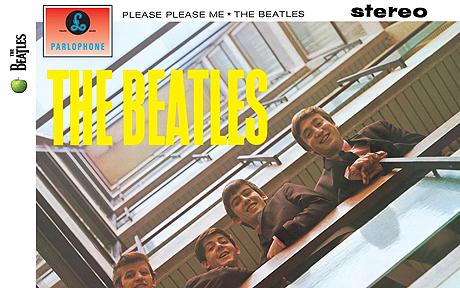
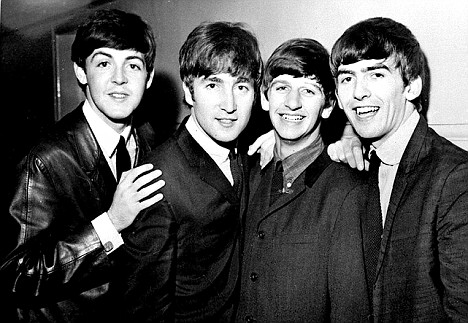
ON THIS DAY IN 1963, THE BEATLES RELEASED THEIR HIGHLY ACCLAIMED DEBUT ALBUM IN THE UK

The album, “Please Please Me” was rush released by Parlophone to capitalise on the immense success of the groups early singles “Love Me Do” and “Please Please Me”. The release shot to number one in the UK charts and later went gold and platinum in four countries, including Australia.

Rolling Stone magazine has highly praised the album a number of times, crediting it with the early invention of the “idea of the self-contained rock band, writing their own hits and playing their own instruments.” Eight of the album’s fourteen tracks were written by Lennon-McCartney and the group played instruments on all tracks. In 2012, Rolling Stone went on to list the album at number thirty nine on the list of “500 Greatest Albums of All Time”.

George Martin, who produced the album, claimed that it was a simple recording of the band’s live set, made at EMI Studios in Abbey Road and recorded in three sessions throughout one day. This whole day’s session cost around £400 (equivalent to £7,700 in 2016).

CHRIST YOU KNOW IT AIN’T EASY
JOHN AND YOKO’S BATTLE FOR PEACE

Printed & Ebook Available here

THE 19TH OF JANUARY MARKS YET ANOTHER IMPORTANT DAY FOR THE BEATLES, AS A NUMBER OF IMPORTANT EVENTS OCCURRED ON THIS DAY.

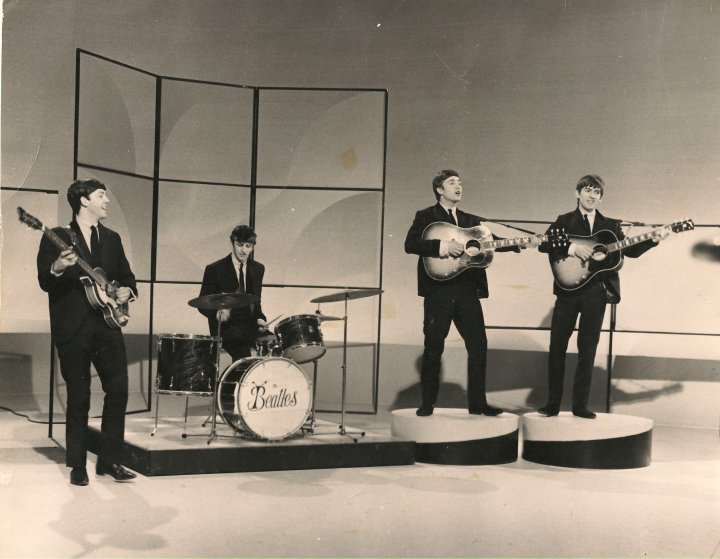
Firstly, all the way back in 1963, a show called Thank Your Lucky Stars featured a performance of a song called “Please Please Me” by a new band from Liverpool called the Beatles. This would be the bands first televised appearance in the UK, and it’s success was obvious as within a few weeks the Beatles were performing on US television shows. The song also cemented their status as Britain’s top musicians and Parlophone immediately sent a request for a full album.

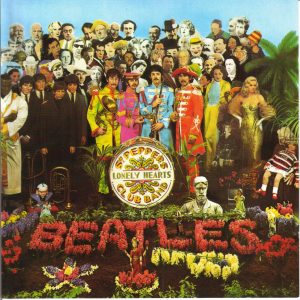
Four years later in 1967, following a number of successful albums and now the most successful and well-known pop band in the world, the band began recording “A Day in the Life”, the finale of their Sgt Pepper’s Lonely Hearts Club Band album. This album experienced huge success and is now remembered as one of rock music’s most important albums.

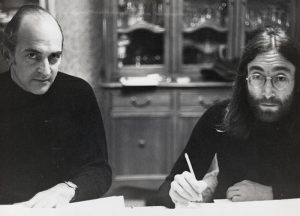
By 1970, John Lennon had met and married Yoko Ono and the Beatles had begun to go their seperate ways, leaving Lennon to found a successful solo career while attempting to keep the Beatles break-up a secret as agreed with Allan Klein and the rest of the band. Frustrated, he set out on the peace campaign in December, focussing on Canada, which was documented by our own Ritchie Yorke. A vast amount of the time Lennon and Yoko spent with Ritchie on Ronnie Hawkins farm had to be spent preparing and signing lithographs intended to be sold in London the following month and planning the future of the peace campaign, although the couple also enjoyed a number of activities and gatherings with friends. The show in which the lithographs were sold ended up being raided and closed down by the British police on the 16th if January, on the grounds of “offensive material”. When asked to comment on the situation, John stated “I don’t care what they do. It’s all a big laugh.” His calmness about the event may also have had something to do with the skyrocketing sales of the lithographs following the raid.

(For more about the peace campaign and the lithographs, click here)

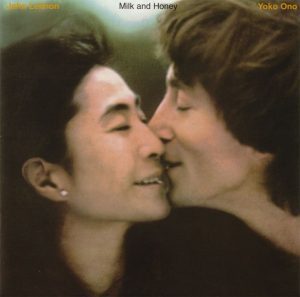
Also on this day, in 1984, Yoko Ono released her new album with John Lennon, Milk and Honey, four years after Lennon’s murder. The project was intended for release many years earlier but was shelved after the death. This would be the eighth and final studio album featuring Lennon’s contributions and the album surged to number 3 in the UK and number 11 in the US, where it went gold.

In 1994, a ceremony was held to induct John Lennon into the Rock and Roll Hall of Fame alongside Elton John, The Animals, The Grateful Dead and Bob Marley and his Band. Lennon became the second person in the Hall of Fame to be inducted both with his band and as a solo artist. Paul McCartney gave a speech that was emotional and heartfelt, written as a letter to John and recounting their extensive history together as lifelong friends and occasional enemies. The speech is available to be viewed below:

CHRIST YOU KNOW IT AIN’T EASY
JOHN AND YOKO’S BATTLE FOR PEACE

Printed & Ebook Available here

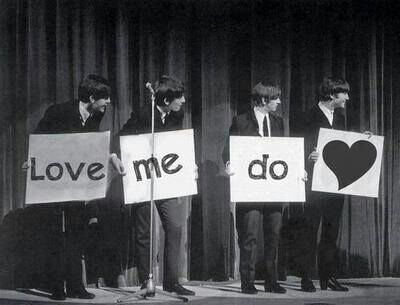
ON THIS DAY IN 1962, THE BEATLES ISSUED THEIR DEBUT SINGLE, “LOVE ME DO”

Written by McCartney several years earlier, before the formation of the band, and later reworked with the help of John Lennon, “Love Me Do” became one of the most recognisable songs in the groups repertoire, going on to be included in their debut album. The song quickly hit #7 in the UK charts, and #1 in the US in 1964, during the ‘British Invasion’.

“Love Me Do” took three recording sessions to get right as the band and producer George Martin were unsatisfied with the initial song. Each session featured a different drummer, and interestingly, the selected take features session drummer Andy White instead of Ringo Starr, although Ringo’s version can be found on a number of Beatles collection albums. The song also marked the first time the group worked with producer George Martin, who was full of praise, stating that their personalities greatly impressed him, as did their musical talent.

The song itself is also part of the Beatles monumentally successful year in 1964, becoming the fourth single of seven to reach #1 in the US n the same calendar year, a new record for the Billboard charts. This record, for most #1 songs written in one year has yet to be surpassed.

CHRIST YOU KNOW IT AIN’T EASY
JOHN AND YOKO’S BATTLE FOR PEACE

Printed & Ebook Available here

ON THIS DAY IN 1962, THE BEATLES RECORDED THEIR FIRST EVER RADIO APPEARANCE AS A GROUP

Performing for the show “Teenager’s Turn – Here We Go”, the band arrived at the Playhouse Theatre in Manchester early and started rehearsing from 3:45pm. Later in the evening between 8 and 8:45pm, The Beatles donned suits for the very first time and performed three cover songs, “Dream Baby (How Long Must I Dream)”, “Memphis, Tennessee” and “Please Mister Postman”.

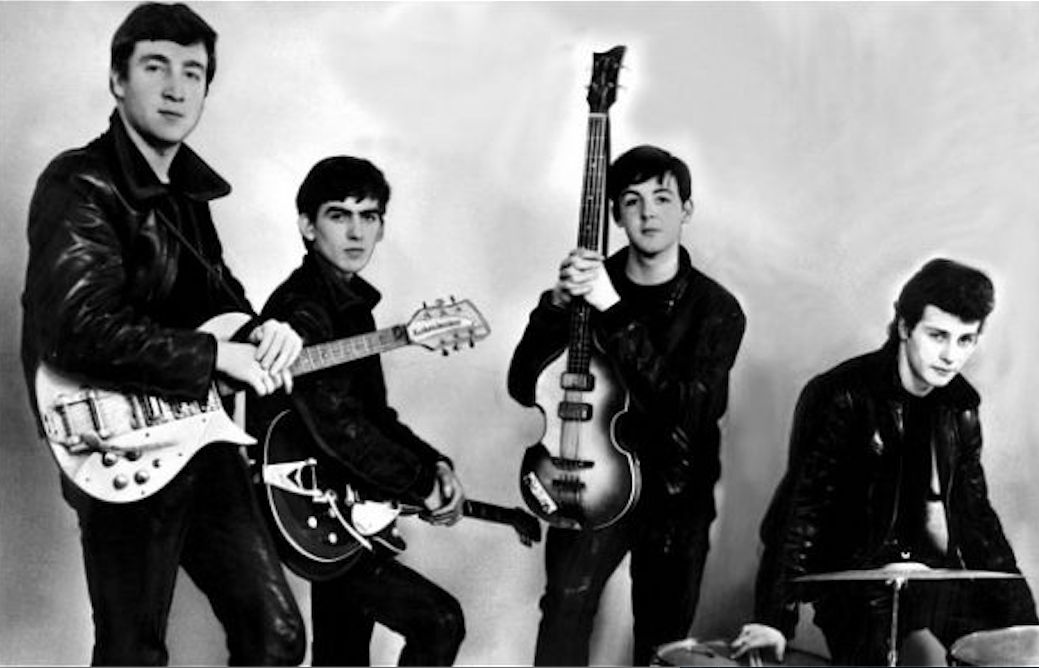
Interestingly, the band also reportedly performed an early McCartney-Lennon original “Hello Little Girl” but while the covers were broadcast, “Hello Little Girl was absent”. It is also worth noting that at this point in time, Ringo Starr had not yet joined the group, so the line-up featured John Lennon, Paul McCartney, George Harrison and Pete Best.

The show was broadcast the following day on the BBC Light Programme, between 5 and 5:30pm. The recording is available above.

CHRIST YOU KNOW IT AIN’T EASY
JOHN AND YOKO’S BATTLE FOR PEACE

Printed & Ebook Available here

ON THIS DAY IN 1961, THE BEATLES PLAYED A VALENTINE’S SHOW AT TWO SEPERATE VENUES IN LIVERPOOL

Firstly they attended the Cassanova Club, where advertisements credited them with the creation of a foot-stomping dance called “The Atom Beat”, though it is unsure if anyone actually performed the dance on the day.

Next, the band headed to Litherland Town Hall for another set, this one specifically more Valentines themed. During the show, Paul McCartney performed a cover of Elvis Preley’s, Wooden Heart, with a very literal wooden heart pinned to his coat. The heart was covered in sequins and embroidered with the names John, Paul, George and Pete, and would later be raffled off after the show.

The winner of the heart also won a kiss from Paul, an apparently much coveted prize, as when the winner took the stage to claim her prize, dozens of other girls followed her on stage, squealing, in what some call an early display of Beatlemania. John Lennon was actually knocked to the floor and bouncers had to close the curtain, putting the show on hold until order was restored.

CHRIST YOU KNOW IT AIN’T EASY
JOHN AND YOKO’S BATTLE FOR PEACE

Printed & Ebook Available here

ON THIS DATE IN 1961, THE BEATLES PERFORMED THEIR REGULAR SET AT THE CAVERN CLUB IN LIVERPOOL

The shows would be relatively standard, apart from one spectator. Mike Smith, an assistant A&R for Decca Records attended the bands second showing of the day, and was reportedly unimpressed.

Brian Epstein had just begun to manage the band and was using his position to attempt to sign a deal for the group. A friend and music reviewer, , declined to write about the band but agreed to mention them at Decca Records, where he worked writing album liner notes. Mike Smith was then sent out to have dinner with Epstein and watch the group perform.

The group was rejected on the day, but a future recording audition was set up with Decca for New Years Day, 1962. After this audition, Smith was asked to choose between The Beatle’s or Brian Poole and the Tremeloes by Decca’s head of A&R, Dick Rowe. Rowe then became infamous as the man who turned down The Beatle’s, one of the biggest mistakes in the music industry. Paul McCartney later said in a press interview, “I bet he’s kicking himself” to which John Lennon added, “I hope he kicks himself to death.”

CHRIST YOU KNOW IT AIN’T EASY
JOHN AND YOKO’S BATTLE FOR PEACE

Printed & Ebook Available here

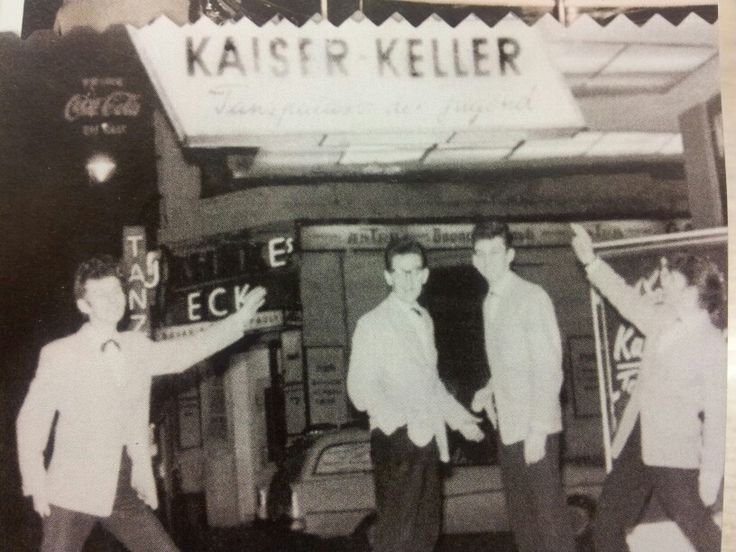
ON THIS DAY IN 1960, THE BEATLES WRAPPED UP A 56 NIGHT RUN AT THE KAISERKELLER IN HAMBURG

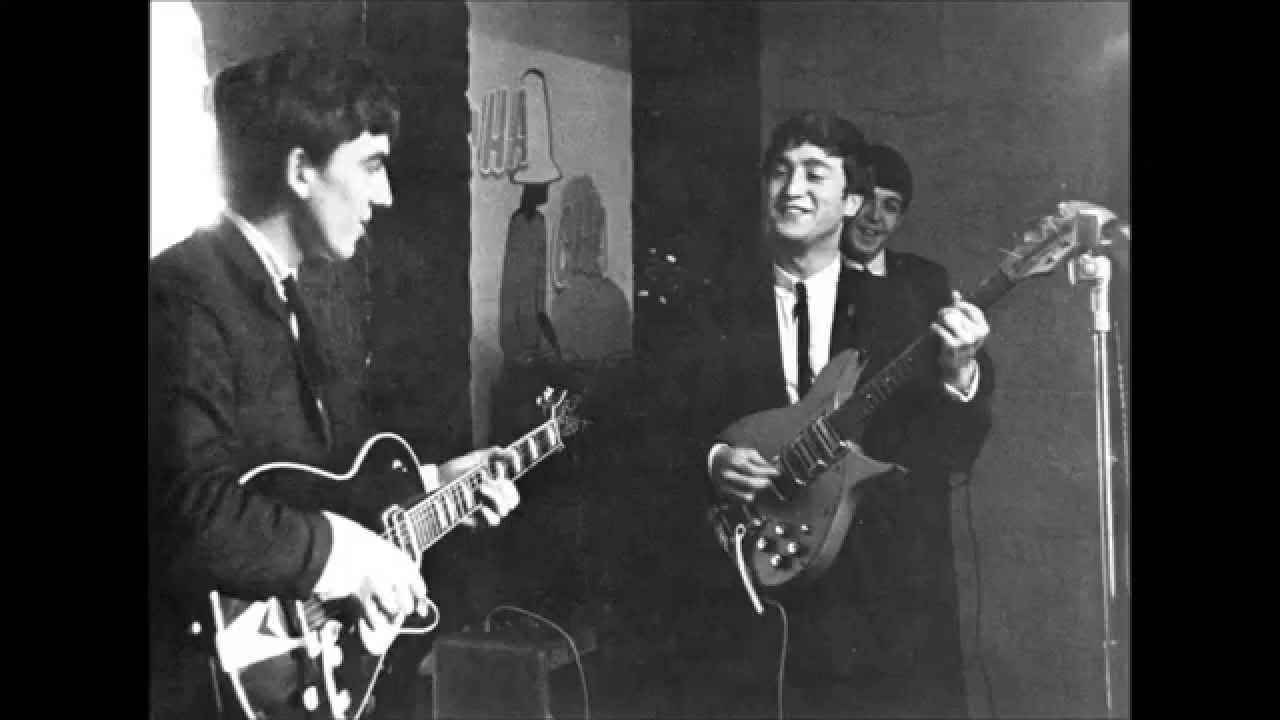
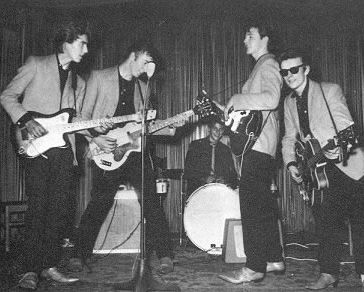
The group began their residency on the 4th of October, working intensive nights from 7:30pm to 2:00am with various half hour breaks between sets, sharing their workload with another Liverpool group, Rory Storm and the Hurricanes, also featuring Ringo Starr on drums. The Beatles later reported that the Kaiserkeller was a dangerous venue filled with gangsters, with tensions between English and German patrons often flaring into violence. Despite these unsafe conditions, the group made many friends in the venue and claimed to thoroughly enjoy their time there.

Unfortunately, the band did prefer to spend their leisure time in the nearby Top Ten Club, a direct rival to the Kaiserkeller, and eventually made a verbal agreement with the owner to play there. This infuriated Bruno Koschmider, the Kaiserkeller’s owner, who promptly terminated their contract. The Beatles did stay on to play for another 3 weeks, even after George Harrison was deported on the 20th of November for being under 18 years of age. The band continued to play without Harrison, although they began moving their belongings to the Top Ten Club.

Upon packing for their new accomodation, the band lit a small fire to see around the room as they packed. Different accounts mention a rag, wall tapestry or a condom on a nail as the ignited item. Regardless of the object, the flame quickly spread to the wall, and the band hurried to extinguish it, leaving no damage but a small burn mark on the wall. Bruno Koschmider was further infuriated and reported them to the police for arson. Paul McCartney and original drummer Pete Best were subsequently arrested for trying to burn down the Kaiserkeller and spent a night in jail before being deported the following day. McCartney apparently found the situation somewhat amusing claiming “we couldn’t have burned the place even if we had gallons of petrol – it was made of stone.”

CHRIST YOU KNOW IT AIN’T EASY
JOHN AND YOKO’S BATTLE FOR PEACE

Printed & Ebook Available here

On this day in 1960, all members of The Beatles recorded together as a group for the first time

George Harrison, John Lennon and Paul McCartney were already established with Pete Best as their drummer and were in the middle of a series of shows at a number of German clubs. Ringo Starr was in the middle of a residency alongside Rory Storm and the Hurricanes at the Kaiserkeller club in Hamburg, the same venue that their rivals, The Beatles, occupied.

Despite their competition, promoter for both bands Allan Williams united the groups for a session. Hurricanes vocalist Lu Walters had been booked to record three songs, the Peggy Lee hit “Fever”, Kurt Weill’s “September Song” and George Gershwin’s “Summertime.” Williams decided the latter song needed something more and decided to hire his other clients to back Walters on the track. Drummer Pete Best was in town running an errand so Ringo Starr remained on the drums.

Members of The Beatles didn’t think much of the session with Harrison remarking that Walters was “a guy who thought he was a singer” who “paid to have the record made himself.” The song was pressed to record but only a handful of copies were made and many report that no copies are known to have survived. Regardless, the group must have thought highly of Starr’s drumming as he was asked to join the band two years later.

CHRIST YOU KNOW IT AIN’T EASY
JOHN AND YOKO’S BATTLE FOR PEACE

Printed & Ebook Available here

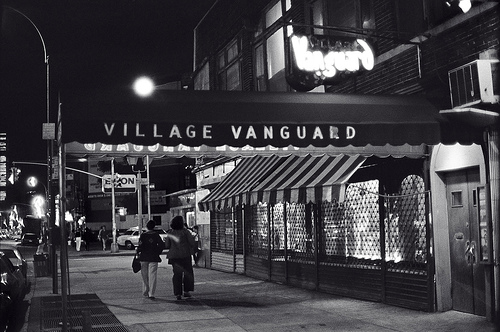
ON THIS DAY IN 1960, ARETHA FRANKLIN PERFORMED THE FIRST NON-GOSPEL CONCERT OF HER CAREER

Taking the stage at Vanguard Village in New York, an 18 year old Franklin performed a variety of blues and pop standards.

Thirteen days later, Franklin achieved her first R&B chart single, “Today I Sing the Blues.” Written by Curtis Lewis, the song reached #10 on the U.S Charts. It was re-recorded in 1969, where it reached #101 on the pop charts.

This launched an immense career, with Franklin selling over 75 million records worldwide and receiving multiple awards and honours, including 18 Grammy Awards. Perhaps most recognised is her placing at #1 in Rolling Stone’s 2008 list of the 100 Greatest Singers of All Time.

LED ZEPPELIN
LED to GOLD

Printed & Ebook Available here

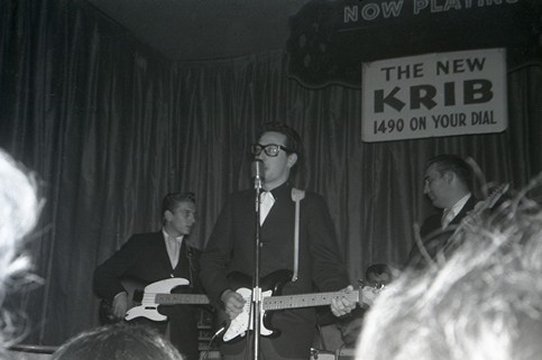
ON THE 2ND OF FEBRUARY IN 1959, A TALENTED AND RENOWNED MUSICIAN BY THE NAME OF BUDDY HOLLY WOULD PLAY WHAT WOULD BE HIS FINAL SHOW. THE SHOW AT THE SURF BALLROOM IN CLEAR LAKE, IOWA WAS A REGULAR, HIGH-SPIRITED EVENT THE AUDIENCE ENJOYING HOLLY’S PERFORMANCE AND THAT OF HIS FELLOW PERFORMERS AND FRIENDS RITCHIE VALENS, DION AND THE BELMONTS AND J.P. RICHARDSON ALSO KNOWN AS THE BIG BOPPER

The show wasn’t scheduled as part of the groups “Winter Dance Party” tour but the tour promoters offered the gig to the Surf Ballroom in the hopes of filling an open slot, an offer which was promptly accepted. By the time the tour bus arrived at Iowa, Holly had grown tired of these travel arrangements and opted to book a charter flight to the tours next stop at Fargo, North Dakota.

Waylon Jennings and Tommy Allsup were originally intended to join Holly on the flight, but Richardson asked Jennings for his seat as he had contracted a flu and Ritchie Valens flipped a coin with Allsup to secure his seat on the plane. After the show ended, the three men were driven to the airport where they met their pilot, 21 year old Roger Peterson.

The cause of the plane crash that killed Buddy Holly, Ritchie Valens and the Big Bopper as well as pilot Roger Peterson was determined to be a combination of faults. To begin with, the pilots briefings did not properly relay the severity of the snowy weather outside. Later investigationon also found that Peterson’s license shouldn’t have allowed him to fly with such low visibility and the incorrect instrument training for the type of aircraft he was flying. The plane impacted with terrain at high speed (270 kph) and banked hard to the right and nose-down. The right wing tip hit the ground first, sending the plane into a cartwheel for around 160m before coming to rest. All occupants of the plane had been killed instantly.

The wreckage was found the following morning when the owner of the charter plane company failed to contact the pilot and flew over the expected flight path, finding the crash site within 10km of the airport they had embarked from. The grisly task of identifying the bodies fell to ballroom manager Carroll Anderson. Holly’s widow suffered a miscarriage days later from emotional trauma and was unable to attend the funeral, while his mother reportedly screamed and collapsed upon hearing the news.

The group has been eulogised many times over the years, most famously in the 1971 Don McLean song “American Pie” in which he dubbed the incident “The Day the Music Died” which reportedly symbolised for McLean a loss of the early innocence of the rock ’n’ roll genre and his sadness over Buddy Holly’s death.

“A long long time ago

I can still remember how

That music used to make me smile

And I knew if I had my chance

That I could make those people dance

And maybe they’d be happy for a while

But February made me shiver

With every paper I’d deliver

Bad news on the doorstep

I couldn’t take one more step

I can’t remember if I cried

When I read about his widowed bride

Something touched me deep inside

The day the music died”

-Don McLean, American Pie, 1971

CHRIST YOU KNOW IT AIN’T EASY
JOHN AND YOKO’S BATTLE FOR PEACE

Printed & Ebook Available here