[Friday, April 10, 1970]

Ottawa journal

TORONTO – When they get around to evaluating rock music by year (in a manner of generalizing very common in the wine industry, e.g. ’67 was a great year for whites but the reds were a little bitter) 1969 is not going to be a year you’ll hear to often.


The last year, in fact, was one of rock’s least memorable periods. There was hardly a single worth mentioning (indeed hit singles seem to get worse by the month); Bob Dylan’s “Nashville Skyline” was not his finest album nor was it close; the Beatles’ Abbey Road was a magnificent effort yet many ineffectual critics still slurped of Sgt. Pepper.


They slurped, at least, until John Lennon came out and said that he thought every album since Pepper had been better than it, including “Magical Mystery Tour.”


The last year of the Sixties saw soul music sink to an all-time low, both in popularity and polarity. Aretha Franklin only made it to one record session, and the results weren’t heard until a month or so ago.


The Rolling Stones made a monumental album in “Let It Bleed,” but seemingly took it title too seriously. All the sharp incisions performed by Let It Bleed were completely overshadowed by the hatchet job at Altamont. Creedence Clearwater made it to the upper rungs with many albums, all of which sounded like the one before.


DEAR LITTLE Donovan came out against dope, hoping to pick up on the eight-year-old record market, which is just starting to be taped and has proved to be fertile soil for acts such as Three Dog Night, the Ohio Express, Tommy Roe, Shocking Blue, and the Union Gap.


Top-40 radio reached a swampy bottom. Didn’t you notice how the Golden Olden weekends sounded a hundred times better than regular programming? That’s because prior to the fawning of format radio, record producers made records with a lot of creativity and little regard for the current top 10.


When it’s all boiled down, the only really encouraging thing that happened last year was the unveiling of Led Zeppelin, England’s latest weapon in the war against American Rock. By year’s end, Led Zeppelin – a group unknowns apart from guitarist Jimmy Page – had become the most important new band since the Beatles, surpassing even Cream in popularity.

The group’s sudden success came after Cream curdled and Hendrix fell victim to well-fed delusions of grandeur. There wasn’t much of music’s usual hype, and there was even less critical acclaim for the Zepp.


Even now, it’s very much in vogue in rock critic circles to rip off Led Zeppelin as a noisy bunch of perverts from England. Even some of rock’s upper echelon of publications still seem to deny the existence of the Zeppelin. Initially, there wasn’t much serious critical evaluation of Led Zeppelin. They were just another stoned-out band from England into blues. Sure they had a guitarist from the Yardbirds but wasn’t Jeff Beck the man to watch from that trip? Scepticism, apathy, ignorance. Meanwhile, the Zepp had arrived and hit and left the charts coated with the debris of a hard-rock hurricane.


THE BAND’s concert price zoomed from a low of $250 in Januarsy of last year, to $25,000 at the start of their current, fifth tour. Both albums had sold in excess of one million copies by Christmas. And a single, Whole Lotta Love, went very close to a million.


The new tour will earn the group more than $800,000 and will take in Vancouver on March 21, Montreal on April 13 and Ottawa the following night.


Any day now, Sixteen magazine and all those other guides to the six-year-old mentalities will realize that Bobby Sherman, Dino Desi and Billy, and the Monkees are not what’s happening.


Right now, what’s happening in rock is very much in the hands of Jimmy Page, John Bonham, Robert Plant and John Paul-Jones. Without question, Led Zeppelin is the world’s most popular group, outside the Beatles, and no one knows anymore if the Beatles still are a group.
CHRIST YOU KNOW IT AIN’T EASY
JOHN AND YOKO’S BATTLE FOR PEACE

Printed & Ebook Available here

SOMETHING

A tribute from King Curtis is no insignificant gesture. He is widely regarded as the pop world’s No. 1 tenor sax man.

He has played on each of the historic, sales-spiralling recording sessions of Aretha Franklin, and it was he who arranged, and blew sax, on Aretha’s classic version of Respect.

King is appearing at the Coq D’Or for two weeks, taking a strong claim as the foremost blues bandleader on the circuit today.

On uptempo numbers, he would make a touch-typist envious as he punches on the saxophone keys with amazing speed and dexterity.

He holds a blue note for so long that one begins to wonder if he has an auxiliary air tank hidden away on his bulky frame. He plays with unquestionable enthusiasm, dynamic drive, and sensitive persuasion.

VERSATILE

He’s equally at home with ballad or beat. It might have been freezing outside, but inside there was a heat wave going on.

The act’s eight-minute version of Ode To Billy Joe may yet bring the poor boy back to life. King’s rendition of I Was Made to Love Her is even more compelling, carrying a Cassius Clay-class punch.

Memphis Soul Stew, a recent hit for the combo, came off like home made apple pie. The clincher was Soul Serenade, a tortuous yet tender ballad, which Curtis blew through on his saxello with almost naive sensitivity.

Toronto is obviously hip to the Curtis message; the club was packed with people of all ages, the over 30’s predominating.

PISTON

Curtis and the Kingpins are as tight as a hot rod piston, with comparable power. The group comprises Jimmy Smith on electric piano, Mervyn Bronson on bass, Al Thompson on drums, and Stirling McGee on guitar, all first- class sidemen.

Curtis also introduced a young female vocalist, one Ruby Michelle, who contributed more than adequate workouts on current contemporary favorites like Chain of Fools.

The music is down to earth. The group is the equal of anything, anywhere. Curtis is King for those who like good music well played.
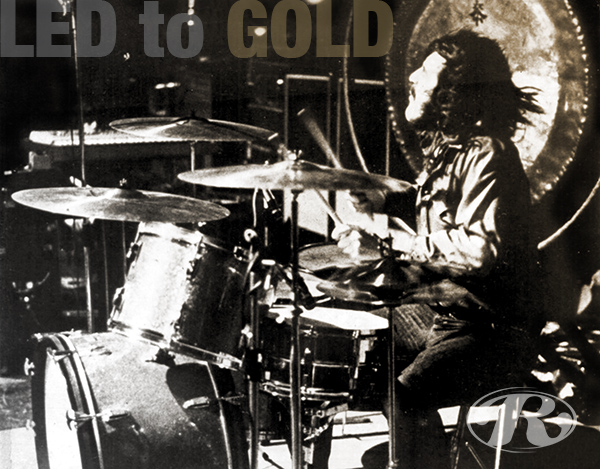
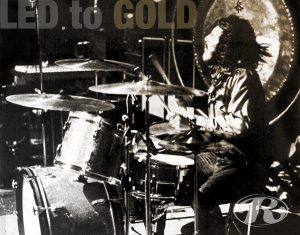
The third member of Led Zeppelin to be interviewed in-depth is drummer John “Bonzo” Bonham, surefly the finest drummer to emerge since Ginger Baker. Once again, like co-Zepps John, Paul and Robert, he answered my queries frankly and willingly.

RY: WHAT WERE YOU DOING BEFORE LZ?

JB: Five months before LZ appeared I was playing with Robert Plant in a group called Band Of Joy. We did a tour as a supporting act with Tim Rose when he playing England. Then Tim went back home and we continued for a bit longer and then we broke up. Tim Rose was coming back for another tour and he remembered me from the Band Of Joy and offered me the job and I took it.

So Robert and I lost contact for about 2 or 3 months. The next time I saw him I was with Tim and he’s joined what was then the Yardbirds. He said they needed a drummer for a new group. About two weeks later he came with Jimmy Page to one of Rose’s concerts, saw my playing and then I got offered the job.

RY: WERE YOU SURPRISED AT LZ SUCCESS?

JB: Yes, very surprised. T the time when I first got offered the job, I thought the Yardbirds were finished, because in England they had been forgotten, but I though: “Well, I’ve got nothing anyway so anything is really better than nothing.” I knew that Jimmy was a good guitarist and I knew that Robert was a good vocalist so that even if he didn’t have any success, it would be a pleasure to play in a good group. And it just happened that we had success as well.

RY: HOW LONG HAVE YOU BEEN PLAYING DRUMS?

JB: Six years.

RY: WHICH DRUMMERS HAVE INFLUENCED YOU?

JB: Loads of drummers. I dig listening to drummers I know aren’t hald as good as perhaps I am. I can still enjoy listening to them and they still do things that I don’t do, so therefore I can learn something. I like Vanilla Fudge’s drummer, I like Frosty with Lee Michaels.

I walked into that club last night (Toronto’s Penny Farthing) and there was a group (Milkwood) whose drummer was great. He had such a great feel to the numbers. You know things like this happen all the time. You go somewhere and see areal knockout drummer.

RY: HOW ABOUT BAKER?

JB: I was very influenced by him in the early days because when I first started Baker had a big image in England. He was the first rock guy, like Gene Krupa. In the big band era a drummer was a backing musician and nothing else. And in the early American bands, the drummer played with only brushes in the background. Krupa was the first drummer to be in a big band that was noticed.

You know he came right out into the front and he played drums much louder than they were ever played before and much better. Nobody took much interest in drums really up until that thing and Baker did the same thing with rock.

Rock had been going for a while but Baker was the first to come out with that… a drummer could be a forward thing in a rock band and not a thing who was stuck in the back and forgotten about. I don’t’ think anyone can put Baker down.

I don’t think he’s quite as good as he was, to be honest. He used to be fantastic but it’s a pity the Americans couldn’t have seen the Graham Bond Organisation, cause they were such a good group – Jack Bruce, Ginger Baker and Graham Bond – a fantastic group.

Baker was more into jazz I think. He still is – he plays with a jazz influence. He does a lot of things in 5/4, 3/4. He’s always been a very weird sort of bloke. You can’t really get to know him. He won’t allow it.

RY: WHAT DID YOU THINK OF RINGO’S DRUMMING ON “ABBEY ROAD”?

JB: Firstly, I wouldn’t really guarantee that it’s Ringo playing because Paul McCartney had been doing a lot of drumming with the Beatles, I Hear. Let’s just say I think the drumming on “Abbey Road” is really good. The drumming on all the Beatles’ records is great. The actually patterns are just right for what they’re doing. Some of the rhythms of the new album are really far out.

RY: ARE YOU PLAYING MUSIC THAT YOU LIKE?

JB: Yeah. I think we do a bit of everything really. We got from anything in a blues field to a soul rhythm. Anything goes.

Jimmy will do a riff and I’ll put in a real funky soul rhythm there or a jazzy swing rhythm or a real heavy rock thing. It’s really strange.

RY: OUR SEEM TO HIT THE SNARE DRUM HARDER THAN ANYBODY AROUND. HOW MANY SKINS HAVE YOU BROKEN ON THIS TOUR?

JB: None. You can hit a drum hard if you take a short stab at it and the skin will break easily. But if you let the stick just come down, it looks as though you’re hitting it much harder than I am. I only let it drop with the force of my arm coming down.

But I’ve only lost one skin on this tour. That was a bass drum skin and that was because the beater came off and left the little iron spike there and it went straight through. But that snare skin has been on there for three tours.

When the bass skin went, we were into the last number, “How Many More Times,” and Robert was into his vocal thing just before we all come back in. It was a bit of a bummer.

RY: HOW DID YOU START PLAYING SOLO ROUTINES WITHOUT STICKS? DID YOU BREAK THEM ONE NIGHT?

JB: It did begin with something like that. I don’t really remember, I know I’ve been doing it for an awful long time. It does back to when I first joined Robert, I used to do it then. I don’t know why really. I saw a group years and years ago on a jazz programme do it and I think that started me off. It impressed me a helluva lot.

It wasn’t what you could play with your hands; you just get a lovely little tone out of the drums that you don’t get with sticks. I thought it would be a good thing to do, so I’ve been doing it every since.

RY: WHAT DO YOU THINK OF ROBERT PLANT?

JB: I could talk about Robert for days because I know him so well. I think we were 16 when we first met which is six years ago. That’s a long time. He knows me off by heart and vice versa. I think that’s why we get on so well.

I think when you know someone – when two people get together and know each other’s faults and good points – you can get on with them for a long time because nothing they do can annoy you when you’re already accustomed to it.

RY: HOW ABOUT JOHN PAUL JONES?

JB: We get on well. The whole group gets on well. We have our differences now and then.

But to me some groups get too close and the slightest thing can upset the whole group. In this group, we’re just close enough, without getting on stage and someone saying something and the whole band being on the verge of breaking up. That’s what happens when a group gets too close. You can get more enjoyment out of playing with each other if you don’t know everyone too well.

That’s why so many people like jamming. Sometimes it isn’t any fun anymore to play with a group you’ve been in for years. But with LZ, we’re always writing new stuff, doing new things and every individual is improving and getting into new things.

RY: WHAT DO YOU THINK OF JIMMY PAGE?

JB: I get on well with Jimmy. He’s very good. He’s quite shy in some ways to. When I first met him he was very shy. But after 12 months’ at it, we’re all getting to know one another. That’s why the music has improved a lot, I think. Everybody knows each other well.

Now there are little things we do which we understand about each other. Like, Jimmy might do a certain thing on his guitar and I’m not able to phrase with him. But in the early days i didn’t know what was going to come next.

But I still don’t know Jimmy all that well. Perhaps it takes more than a year to actually sort of know someone deeply. But as far as liking goes, I like Jimmy a lot. To me, he’s a great guitarist in so many fields. He’s not just a group guitarist who plugs in and plays electric guitar.

He’s got interests in so many kinds of music. So many guitarists wont play anything but 12-bar blues, and they think that’s it. And they have an attitude of when they hear a rock record of saying “Oh that’s a load of rubbish.”

Blues has got to be pure and they’re pure because they play it, but really that’s not true either. Some of the greatest musicians in the world have never played blues so you can’t really say that.

When we first came over here, the first American drummer I played with was the Vanilla Fudge’s drummer. He was one of the best I’ve ever seen in a rock group yet so many people put them down. Nobody wants to know, thinking they’re a bubblegum group.

Perhaps they were but you can’t get over the fact that they’re good musicians. No matter which way you look at it, they’re still good. Although they’re playing music that I don’t particularly like, I still admire them.

RY: ARE YOU FED UP WITH TOURING YET?

JB: No, not really. Sometimes it gets to be a bit wearing, but that’s only because I’m married and got kids at home. But I’ve never got browned off with the actual touring. I enjoy playing; I could play every night. It’s just that being away gets you down sometimes.

I enjoy going through different towns we haven’t been to before. But you get fed up with towns like New York where you’ve got to spend a lot of time. It just isn’t interesting any more.

CHRIST YOU KNOW IT AIN’T EASY
JOHN AND YOKO’S BATTLE FOR PEACE

Printed & Ebook Available here

The this part of our four-part series on Led Zeppelin is an interview with the man who made it all possible in the beginning, guitarist extraordinary Jimmy Page.

RY: WHERE DO YOU THINK YOUR FOLLOWING LIES?

JP: It’s hard to pinpoint really. At the beginning it was the underground clubs because that’s where we started. Obviously it’s spread by the amounts of people who come to our concerts. People are coming all over from schools and I don’t know where. The turnout is getting so big you wonder where everybody does come from. I suppose basically it was from the underground thing.

RY: THERE SEEMS TO BE A LOT OF YOUNG PEOPLE INTO YOUR MUSIC NOW?

JP: I don’t really know why this happens, specially for our sort of music. But I do know that when the Cream did the Madison Square Garden concert there were people of nine and eleven in there. This is really quite amazing. I’m not really quite sure of their motives.

I’m sure they can’t really be into the music – they can’t understand it. But then again, you find in England, kids (I don’t like to call them that), people of thirteen are buying underground music and apparently know what’s going on in the music.

I know a source, a fellow who runs a record store near where I live who keeps me up to date on who’s buying what… the English charts are so strange, such weird things get in, it often amazes me who buys what. So I do a bit of research and yes, 13 year olds do buy these records.

RY: DID YOU HAVE ANY IDEA OF WHERE YOU WERE GOING A YEAR AGO?

JP: Yes, the whole thing at the times was hard rock core which you can hear on the first album cos it’s basically what it is. Obviously, there’s a couple of blues as well – hard rock and blues, the whole thing.

That was the whole idea od it and it still is really. But now we’ve had more acceptance, we can open up on other things which we probably wouldn’t have done to start with. Things like “Thank You.” Really there’s so much we can do, it’s just a matter of time getting it all out.

RY: WERE YOU SURPRISED AT YOUR TREMENDOUS SUCCESS?

JP: Oh yeah. The Yardbirds at the end were getting probably $2,500 a night and I though LZ would probably start of at $1,500 and work our way up to that and have a good time. But that was all I expected. It’s really frightening actually the way it has snowballed.

SECOND ALBUM

The record sales of the second album… it really surprises me, it’s beyond my comprehension that things should go this well. Because it wasn’t a contrived thing. Obviously, it was time for our sort of group, what with the Cream breakup and Hendrix hadn’t been doing much. They had been the two real big ones at that time so I think it was just good luck that our timing was right. And in we came with the hard rock as well.

RY: WHAT DO YOU THINK OF THE AMERICAN POP SCENE?

JP: Well, one always gets inspiration from people like Love, but I believe they’ve broken up, which is unfortunate ‘cos Arthur Lee was a tremendous writer. And of course Buffalo Springfield and all the offshoots of these things will be and are great. There are groups over here doing really good things.

Blood, Sweat and Tears aren’t my cup of tea. Spirit do some really nice things on albums. They give a really nice atmosphere when they play and I always enjoy seeing them.

RY: HOW ABOUT THE DOORS?

JP: Actually, I was surprised after hearing a lot about the Doors and we got a lot of advance publicity in England about how sexy Jim Morrison was, how virile and whatever. I was surprised to see how static he was live on stage. I admire his writing ability and when he gets it together in a studio, he really does. But on stage, he’s not really for me.

He doesn’t really come across in any way I’d like to see. Being dressed in black leather can only go so far but standing there like my father would on stage doesn’t really come across for me.

RY: WHAT DO YOU THINK OF THE OPINION THAT ROBERT PLANT COPIES JIM?

JP: How could he have done? They’re completely different. If you want to relate Robert to a sexual image, and a lot of people are doing that, he’s all those things one would associate with it. He’s good looking (I’m not saying Jim isn’t), he’s got the virile image, he moves very well on stage and he looks right and he sings well – his whole thing is total sexual aggression.

As far as I could see, the Morrison thing is just an embarrassment towards the audience. He would actually insult them and swear at them and his sexual thing is more of an introvert thing – it isn’t so extroverted as Robert’s.

RY: YOU’RE DOING A LOT OF PERSONAL APPEARANCES IN NORTH AMERICA NOW. HOW DID IT ALL START?

JP: We started off at less than $1,500 a night actually. WE played for $200 one day but it was worth it because we didn’t care, we just wanted to come over and play the music. In England, we had such a bad time and bookers were saying “LZ used to be the Yardbirds, we’ll book them but we’ll put them as the new Yardbirds.” It was just a joke in England that they wouldn’t accept you. They won’t accept anything new.

Over here, we were given a chance. Bill Graham booked us in both the Fillmores and all the underground promoters like Russ Gibb and these people all booked us and gave us a great start and it was on our own shoulders. You know, come over here, work as hard as you can, give them all you can and if it doesn’t work, go back to England and start again. But obviously no one would have had us back if we had died. It was just up to us.

RY: YOU’RE EARNING FANTASTIC MONEY NOW. WHAT’S THE MOST YOU’VE EVER MADE?

JP: In Boston we got $45,000 for one gig which was just incredible. It just depends now – the artistic side can go so far, then the managers take over on the business and you start working on percentages above guarantees and it obviously depends on how big the place is and that was the biggest place we played. There were about 17,000 people.

RY: SOME CRITICS THINK YOUR VIOLIN BIT IS GIMMICKY.

JP: It’s important to me, actually. Unfortunately, it does look gimmicky with the visual thing of the violin bow but, in fact, good things can be done with it. It’s pretty hard to do. It’s not as easy as it looks in actual fact. I would still include it whether people hated it or not.

RY: DO YOU THINK YOU’VE IMPROVED YOUR GUITAR PLAYING SINCE JOINING LZ?

JP: I don’t know about LZ as LZ, but playing with these people has been fantastic. I’ve never played with such good musicians before in a group and I’m sure everyone’s improved within themselves.

RY: WHAT DO YOU THINK OF JEFF BECK?

JP: I think he’s great. When he’s having a shining night, he’s really fantastic. He plays things of sheer genius.

RY: I’VE HEARD THAT THE VANILLA FUDGE IS JOINING HIM?

JP: Yes, I’ve heard that. I don’t know how it’ll go temperament-wise. He’s got a funny temperament.

ERIC CLAPTON?

RY: ERIC?

JP: He’s a very tasteful player. I haven’t seen him play since John Mayall days. I didn’t see Cream, I didn’t see Blind Faith shows. That day is over isn’t it? Everybody says so.

RY: WHAT BANDS DO YOU LIKE?

JP: Unfortunately, I haven’t seen all the bands I’d like to see. I’d like to see Crosby, Stills, Nash & Young group. I really would. There’s a friend of mine, matter of fact he got my guitar for me, called Joe Walsh, who’s got a group going around the Cleveland area called the James Gang. I head them and they were very good and went down well. I expect we’ll hear more of them.

RY: WHO HAS INSPIRED YOU?

JP: Even now I don’t listen to current guitarists… Whether that sounds right or not. I was really listening to the old blues people. I though, “Well, they’ve got their thing out of it, I’ll get my thing out of it too.” I thought that if I started to listen to everybody else like Eric (Clapton) and Jimi (Hendrix) then I’d get bogged down with their ideas and start nicking their phrases which I probably did do subconsciously and I think everybody does.

You can hear Eric’s phrases coming out on Jimi’s albums and you can hear Hendrix phrases coming out on Eric’s records. I was really listening to acoustic guitarists like Bert Jansch. He’s my alltime favourite. I was listening to that more than anything and that’s what I play a lot of at home. I would really like to develop the acoustic guitar into something much better. The finger style not like C.S. & N.

RY: HOW ABOUT BLUES GUITARISTS?

JP: They’re great. They’re all got their trademarks. It’s so easy when you’re learning guitar to get all your trademarks off them and suddenly a style of your own develops out of this. I still listen a lot to Otis Rush more than any of the others. And a guitarist who came to England called Matt Murphy. Buddy Guy, of course. I could relate to them more than B.B. King at that time. Now I think that B.B. is very up-to-the-moment.

At that time, his records were recorded in the 30’s and it was hard to relate to them. Yet, I knew that people like Rush and Guy had drawn from them buy that was today’s statement of that thing. And it wasn’t till B.B. King became more well-known and more records became available that one was able to say that B.B. King is there as well.

RY: JOHNNY WINTER?

JP: I like his steel playing very much. His bottleneck Robert Johnson things. He’s really got those things off to a tee.

RY: SOME PEOPLE ACCUSE YOU OF HAVING NO TASTE?

JP: Maybe I haven’t. I don’t know. I Just play how I feel. If I feel tasteless, I play tasteless. I’ve heard every guitarist attacked that way – it depends on what they must have been as nervous as hell can do. If I say down with a guitar I could probably play a lot of things that a lot of other people couldn’t play – you know, classical things and people might say, “That’s really tasteful, man.”

RY: HOW ABOUT THE STONES?

JP: I don’t know really. Did you see that Hyde Park film? Some of it started off really good, but then they got into things like Satisfaction and it sounded pretty weak. I don’t know why. Maybe it’s because they hadn’t played for so long – it was such a big ordeal playing for so many people, they must have been as nervous as hell. I think it will be good because Jagger is so fantastic, and his songwriting – the words are incredible.

Beatles?

RY: AND THE BEATLES?

JP: They just turn it out, don’t they? It’s always good and always sounds fresh whether it is or isn’t. They’ve done some good things. It’s amazing the way their guitar styles come into it.

RY: WHAT ABOUT GEORGE’S PLAYING ON “ABBEY ROAD?”

JP: Was it really George? It might have been Paul. It’s nice actually.

RY: IN WHAT DIRECTION ARE YOU GOING?

JP: It sound corny, but we’ve got something we want to try out but I don’t want to tell you about it in case it doesn’t come off. It’s an idea for a really long track on the next album. In so much that “Dazed” and “Confused” and all those things went into sections – well, we want to try something new with the organ and acoustic guitar building up and building up to the electric thing.

RY: WHAT DO YOU FEEL ABOUT THE SECOND ALBUM?

JP: It took such a long time to do… on and off – having no time and having to write numbers in hotel rooms. And hearing the initial numbers we did so many times playing them to different people by the time the album came out I was really fed up with It. That’s why I had lost confidence in it by the time it came out. People were saying it’s great and I though “Oh good.”

RY: DO YOU LIKE BEING THE PRODUCER?

JP: Writing a lot of it, as it’s only album tracks, it’s nice to have a free hand in what you’ve written. A producer, in fact, would probably say, “Well, I like that idea but why don’t you try this?” and he’s start taking over. So it would be a bit of a battle if you’d written it yourself. It would be different on a single because I guess the producer would know.

That’s why I’ve been the producer most of the time because the songs have been either written by me and Robert, or the rest of the boys. It’s more personal really.

A SINGLE?

RY: DO YOU HAVE ANY PLANS FOR A SINGLE?

JP: Yeah, when we get back. We’ve got two ideas but then I say ideas, an idea usually amounts to a chorus or a couple of versus or a few riffs. It’s just a matter now of going back, have a week off or so and everyone’s going to think about singles and ideas for such.

Then we’re going to come together and amalgamate all the ideas to see what comes out of it. I should think.

RY: I HEAR THAT YOU REALLY CAN’T TOLERATE STRAIGHTS.

JP: Oh yeah, I really hate all of that narrow-mindedness. But I think anyone does with long hair, or anyone with genuine feeling. Even if they’re not, even if they appear to be a straight person if they’re sympathetic to other people, they would be fed up with hearing people making nasty comments to them.

You’re really discriminate against all the time. If I was coloured, I’d really be able to kick up a stick and I’m not, so I really have to put up with it, And I know everyone else with long hair does. It’s a bit of a drag.

RY: ANY PARTICULAR INSTANCES?

JP: Well, restaurants where you get a bad time. Try to check into hotels where they don’t like the look of you and they don’t want you messing up the swimming pool. You know how it is. It’s just

JP:

Unfortunately I haven’t seen live in. A hostile sort of age.

CHRIST YOU KNOW IT AIN’T EASY
JOHN AND YOKO’S BATTLE FOR PEACE

Printed & Ebook Available here

SOMETHING

A tribute from King Curtis is no insignificant gesture. He is widely regarded as the pop world’s No. 1 tenor sax man.

He has played on each of the historic, sales-spiralling recording sessions of Aretha Franklin, and it was he who arranged, and blew sax, on Aretha’s classic version of Respect.

King is appearing at the Coq D’Or for two weeks, taking a strong claim as the foremost blues bandleader on the circuit today.

On uptempo numbers, he would make a touch-typist envious as he punches on the saxophone keys with amazing speed and dexterity.

He holds a blue note for so long that one begins to wonder if he has an auxiliary air tank hidden away on his bulky frame. He plays with unquestionable enthusiasm, dynamic drive, and sensitive persuasion.

VERSATILE

He’s equally at home with ballad or beat. It might have been freezing outside, but inside there was a heat wave going on.

The act’s eight-minute version of Ode To Billy Joe may yet bring the poor boy back to life. King’s rendition of I Was Made to Love Her is even more compelling, carrying a Cassius Clay-class punch.

Memphis Soul Stew, a recent hit for the combo, came off like home made apple pie. The clincher was Soul Serenade, a tortuous yet tender ballad, which Curtis blew through on his saxello with almost naive sensitivity.

Toronto is obviously hip to the Curtis message; the club was packed with people of all ages, the over 30’s predominating.

PISTON

Curtis and the Kingpins are as tight as a hot rod piston, with comparable power. The group comprises Jimmy Smith on electric piano, Mervyn Bronson on bass, Al Thompson on drums, and Stirling McGee on guitar, all first- class sidemen.

Curtis also introduced a young female vocalist, one Ruby Michelle, who contributed more than adequate workouts on current contemporary favorites like Chain of Fools.

The music is down to earth. The group is the equal of anything, anywhere. Curtis is King for those who like good music well played.
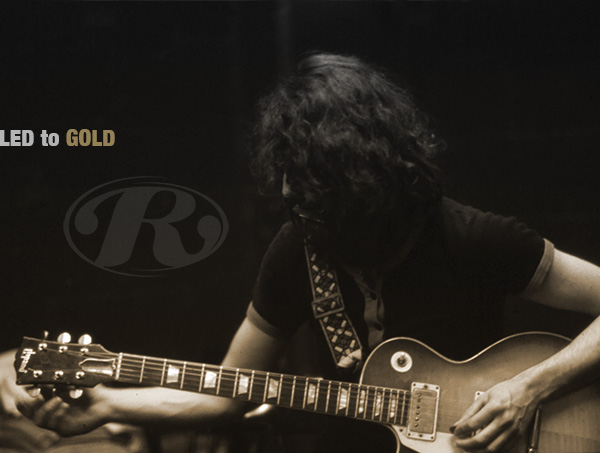
In Toronto, I rapped .with each member of Led Zeppelin and compiled a four-part profile- through-interview report on the group. We start with bass player, John Paul-Jones, one of the finest technicians in the field.

RY: WHAT WERE YOU DOING BEFORE LED ZEPPELIN FORMED?
JPJ: Vegetating in studios in London mainly Jimmy s’ also done his share of that. But he got out and went into the Yardbirds. Just before joining the band, i had gotten into arranging and general studio directing, which was better than just sitting and being told what to do. I did a lot of Donovan s’ stuff. The first thing I did for him was “ Sunshine Superman.” I happened to be on the session and I ended up arranging it. The arranger who was there really didn t’ know about anything. I sort of got the rhythm section together and we went from there.
Mellow Yellow ” I did entirely on my own. I was pleased with it; it was different to what was happen­ing in the general session scene.
RY: WERE YOU SURPRISED AT THE SUCCESS OF LZ?
JPJ: Yes, I was surprised as to the extent of our success You see, we’d been doing all this for a long time and, after a while, you can see how a group breaks up and what causes all the ups and downs. You reckon that if you should con­sciously put together a group that won t’ have a lot of stupid troubles; and the basic thing of what people want to listen to; good musi­cianship; and a certain amount of professionalism; the right pro­motion — with those things you figure you must stand a good chance. But to what extent, nobody knows. To this extent, it s’ unbe­lievable!
RY. DO YOU THINK YOUR SUCCESS CANE BECAUSE THERE WAS A GAP IN THE ROCK SCENE AFTER CREAH AND A PERENNIAL NEED FOR A HARD-HARD ROCK BAND?
JPJ: If you think from a pure popologist s’ point of view, you could say it was foreseen, inevitable, predictable. There was a gap there and we filled the gap. But there s’ a lot of other things whicn may do it.
I think the business did need something different because Cream was going around in circles. They never talked to one another, it seemed. The groups that did have a good sound were successful but they always seemed to have internal troubles; while the groups that did get on never got heard, and somehow you had to get the two together. An amicable group, a good sound and exposure.
RY: L Z SEEMS TO BE A GROUP WHICH GETS ON WELL?
JPJ: Yeah, especially as we’re all different people Robert and John have got the Birmingham band thing in common. Nobody had actually worked together before L Z though. We just got together in a 6ft. x 6ft. room and started playing and looked at everybody else and realise what was going to happen.
RY: WHO INFLUENCED YOUR BASS PLAYING?
JPJ: Not a lot of people because it was only recently that you could even hear the bass on records. So apart from obvious jazz influences — like every good jazz bass player in history; Mingus, Ray Brown, Scott LaFaro . . . I was into jazz organ for quite a while until I couldn t’ stand the musicians any longer and I had to get back to rock ’n ’roll.
I listened to a lot of jazz bass players and that influenced my session playing, and then I cannot tell a lie. the Motown bass players! You just can’t get away from it. Every bass players in every rock group is still doing Motown phrases, whether he wants to admit it or not.
RY: IT’S A SHAME THAT SO FEW ARTISTS HAVE CREDITED THE MOTOWN BASS INFLUENCE?
JPJ: Right. Yet it s’ been one of the Motown sound s’ biggest selling points I used to know a few names of Motown bass players, but I can t’ remember them. Motown was a bass player s’ paradise, because they’d actually found a way to record it so that you could hear every note.
Their bass players were just unbelievable; some of the Motown records used to end up as sort of concertos for bass guitar.
RY: WHAT DO YOU THINK OF JACK BRUCE’S PLAYING?
JPJ: Jack is very good. I’m not too keen on the sound he has, but that s’ personal taste. Being a bass player, I obviously have more idea of the sound I like than someone who just listens to records. I like his 1*P “ Songs For A Tailor ” though.
RY WHAT ABOUT PAUL McCa r t n e y ?
JPJ: Well, I think he’s perfect. He’s always been good. Everything he’s done has always been right, even if he didn t’ do too much, it was still just right. He s’ improved so much since early Beatles days, and everything is till right. They’re really beautiful, the things he plays.
RY: HOW ABOUT RICK GRECH?

JPJ: I don t’ know anything about him.

RY: BASS HAS REALLY BECOME IMPORTANT IN THE PAST TWO YEARS.
JPP: Bass players have really got annoyed and said to engineers- “ You’ve got to get it through.” Then they went to the people who cut the record, because you can get it on tape and then lose it on record.  ’The cutters stajet screaming that it won t’ play with too much bass and people s’ ex­pensive magnetic cartridges will jump up into the air everytime you hit a bottom string.
I think Cassidy did an awful** lot, and he s’ still doing so. He designs bass guitars which are utterly unbelievable.
RY: DID YOU HEAR MOMS MABLEY’S RECORD OF “ ABRAHAM, MARTIN AND JOHN ”? IT HAD FANTASTIC BASS REPRODUCTION?
JPJ: No, I didn t’ hear that. The Motown record that really im­pressed me was ” I Was Made To Love Her ” by Stevie Wonder. When it came out, I just couldn’t believe it.
RY: YOU MUST BE ONE OF THE DOWN JUST TO HEAR A BASS PATTERN ON A NEW RECORD
JPJ: * Bass players are always like that. The first record that really turned me on to bass guitar was “You Can t’ Sit D own” by Phil Upchurch, which had an incredible bass solo and was a good record as well. Very simple musically, but it had an incredible amount in it.
RY: AFTER YEARS OF SESSION WORK. HOW DOES IT FEEL TO BE IN A GROUP?
JPJ: It s’ a strain, but it s’ a different kind of strain, I much prefer it. I sessions you just vegetate and you reach a certain period where you’re working a helluva lot and that s’ it. You can t’ do anything musically and it s’ horrible. You became a well-used session musi­cian with no imagination.
I used to be the only bass players in England that knew anything about the Motown stuff so I used to do all the cover versions. I often used to almost be in tears at the sound they’d get and the way they used to mess up the songs.
RY: THE ENGLISH SESSION SCENE IS RATHER UNIQUE IN THAT THEY REALLY ONLY HAVE ONE MAN FOR EACH INSTRUMENT, AND IF YOU’RE THE MAN, YOU GET TO DO EVERY SESSION GOING?
JPJ: Right. But it s’ not specialised, which is the strangest thing. You can do anything. Every record that s’ been made in England you could have been on, if they used your particular instrument — from Petula Clark to visiting Americans. I remember one day — firstly at Decca Studios with the Bachelors; then Little Richard, who’d come over to do a couple of English sessions — and it was bloody awful.
RY: IT MUST HAVE BEEN ROUGH AT FIRST, THOUGH WITH PEOPLE ONLY THINKING OF L Z AS JIMMY PAGE’S BAND?
JPJ: Well if Jimmy had been incredibly insecure and really wanted to be a star, he would have picked lesser musicians and gone on the road and done the whole star trip. Everybody in the band recognised that at first having Jim m y s’ name was a great help. In fact, it opened a lot of doors, and once you realised that, and because aware that you had a job to do, it worked out all right.
I’ve been playing bass for ten years now. I’ve been on the road since I was two years old — my parents were in the business, too . . . in variety. They had a double act, musical comedy thing. I was in a professional band with Jet Harris and Tony Meehan. That was when I was 17.
RY: WHAT DO YOU THINK OF ROBERT PLANT?
JPJ: Robert is unique. We’re all unique really, but Robert is really something. I couldn t’ imagine any other singer with us. I just couldn’t. Robert is Robert and there s’ nothing else to say.
RY: HOW ABOUT JOHN BONHAM?
JPJ: John is the find of the year as far as British drummers are con­cerned. I can t’ remember anyone like him either. It s’ obvious why these people have ended up in the same group. We’ve all the right people. If anybody had to leave, the group would have to split up because it wouldn t’ be L Z any more. Each of us Is irreplaceable in this band.
RY: HOW ABOUT JIMMY?
JPJ: For years and years. I’ve rated Jimmy. We both come from South London and even then I can remember people saying: “ You’ve got to go and listen to Neil Christian and the Crusaders, they’ve got this inbelievable guitar­ist.” I’d heard of him before I heard of Clapton and Beck.
I probably listen to more of Clapton through Jimmy telling me to than any other reason. I’ve always thought Jimmy to be far superior to all of them. It sounds like a mutual admiration society; people don’t believe me when I say this, but I mean it.
RY: WHY DO YOU THINK ENG­LISH BANDS ARE BEGINNING TO BE STRONGER CHARTWISE, THAN AMERICAN BANDS AGAIN?
JPJ: The Americans have got lazy. They’ve had it their way for so long. As soon as some competition comes along and does well, the not-so-good bands get uptight be­cause they think they r’e missing ut on all the work. The better bands pull their fingers out and really come up with something great, and they do as well as the best English bands.
RY: DO YOU THINK WE’RE IN THE MIDDLE OF A SECOND ENG­LISH INVASION OF THE U.S. CHARTS?
JPJ: I think it can be taken as a criticism of American bands that so many English groups are getting into the U.S. charts American groups should look at themselves and their music if this is the case, and ask themselves why all these foreigners are going so well when they’re not.
And I’m sure if they looked hard enough they’d come up with one reason or another, and they’d be able to get it back together and make it again.

CHRIST YOU KNOW IT AIN’T EASY
JOHN AND YOKO’S BATTLE FOR PEACE

Printed & Ebook Available here

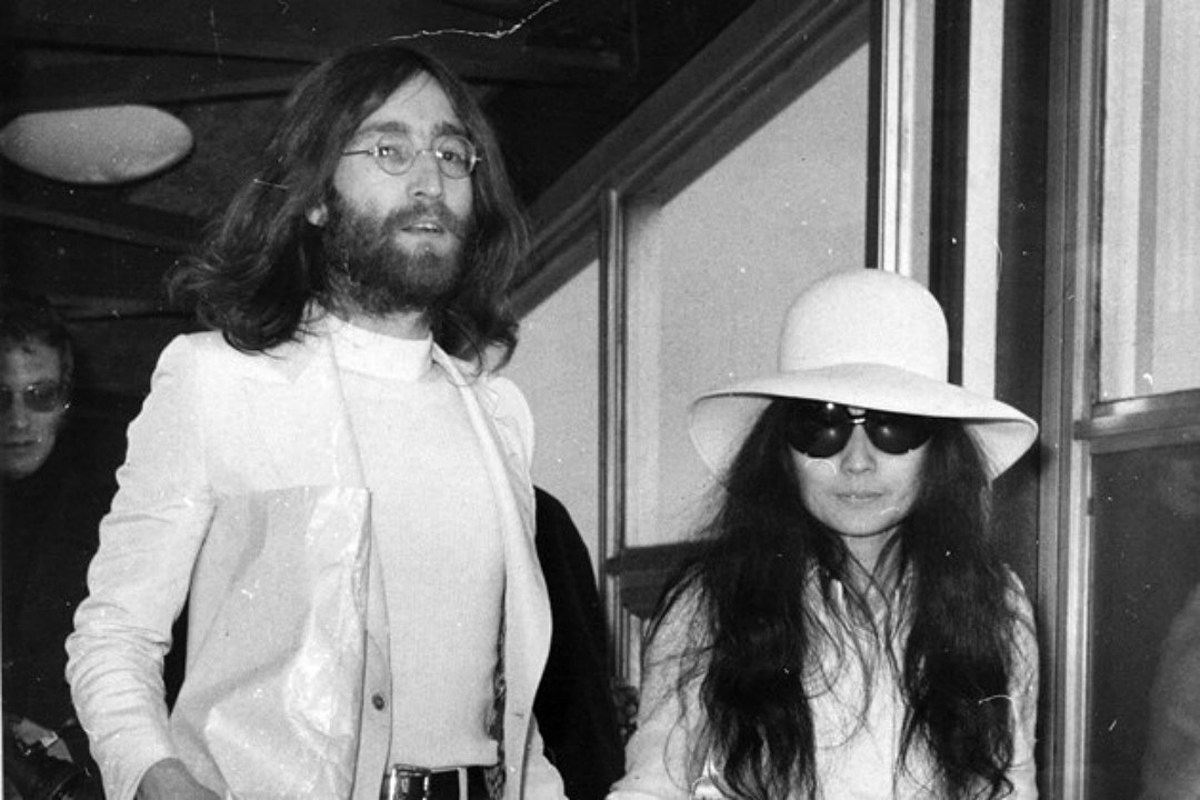
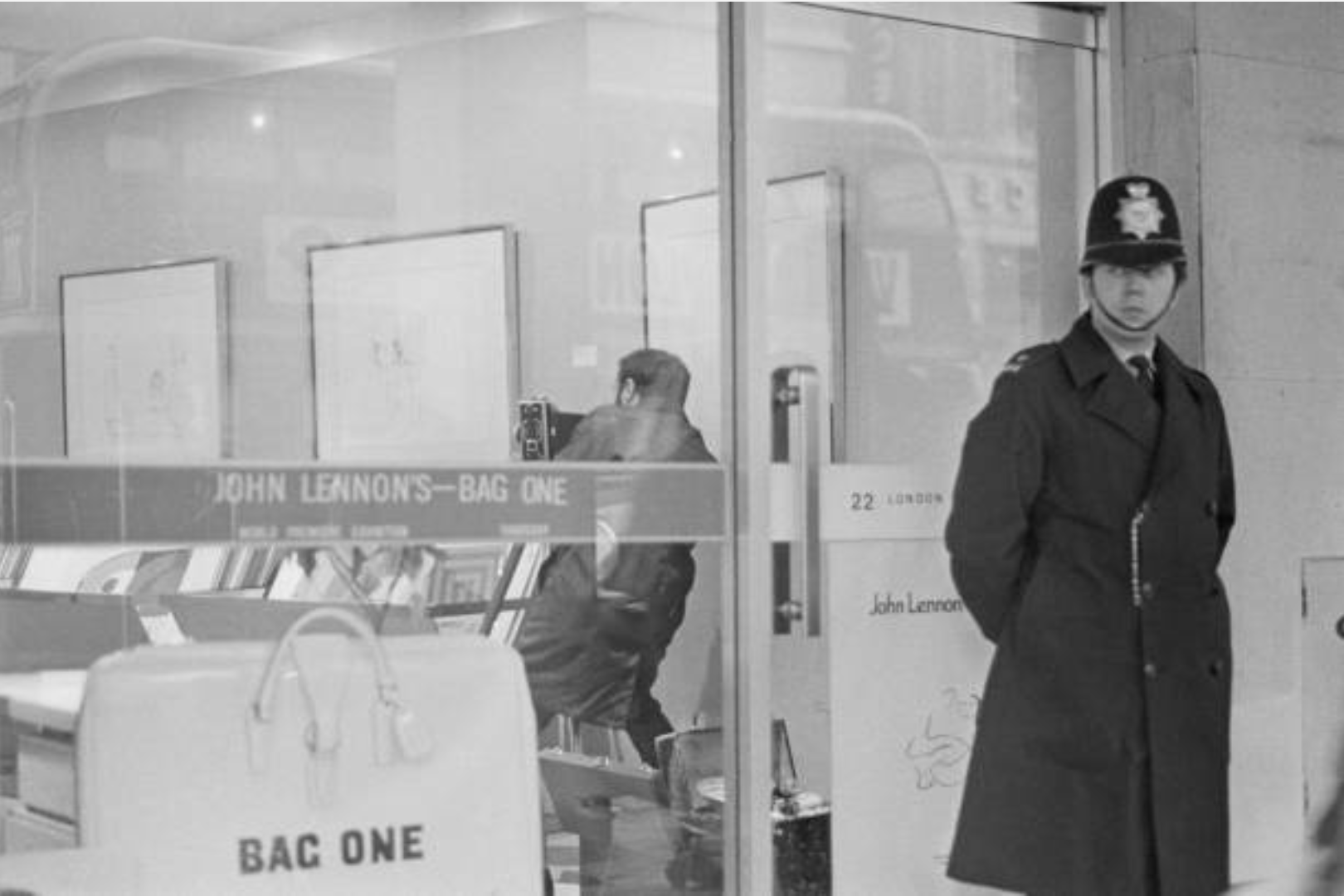
LONDON – (UPI-AP) – Scotland Yard, acting on ground of obscenity, yesterday closed a John Lennon art show depicting his sex life with wife Yoko Ono.

But Beatle Lennon, grinning broadly, said in Copenhagen: “I don’t care what they do. It’s all a big laugh.”

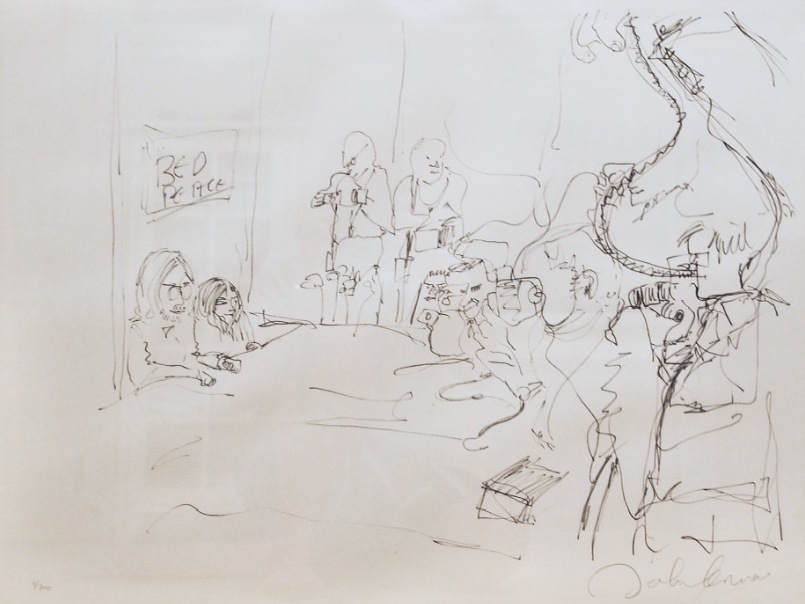
The exhibition, which opened on Thursday, consisted of 14 lithographs by Lennon portraying the couple unclothed in various love-making poses.

The sketches, on sale for $100 each, were viewed by more than 7,500 people.

Police entered the exclusive Bond Street gallery, hurried out the spectators and set up guard at the doors to hold back the crowds — long-haired youths, businessmen and middle-aged ladies — clamoring to get a glimpse of the pictures before they were confiscated.

Teenyboppers and Beatle fans raised cries of “Police state!” and “why pick on the Beatles?” as detectives milled inside the gallery taking pictures of the lithographs and questioning gallery officials.

“They confiscated all our photographs, catalogues, order books and other documents pertaining to the exhibition,” said Eugene Schuster, owner and director of London Arts, which tours universities, art centres and museums throughout Canada, the United States and Europe.

He said 20 sets of the prints had been sold, at $1,320 each.

The pictures will go on show in New York at the end of this month. Paris in the spring and possibly later in Amsterdam and Copenhagen.

CHRIST YOU KNOW IT AIN’T EASY
JOHN AND YOKO’S BATTLE FOR PEACE

Printed & Ebook Available here

LONDON (UPI) — Police today raided and shut down an exhibition of 14 lithographs by Beatle John Lennon that depicted his love life with his wife Yoko Ono.

Robert Harland, a director of the London Arts Galleries in New Bond St. said six Scotland Yard detectives arrived shortly before noon in search of “offensive material.”

They closed the gallery and ordered the lithographs taken down. Harland said.

The lithographs were for sale at $100 each or $1,400 for the set. At least 15 full sets were sold Tuesday, the exhibit’s opening day.

About 5,000 persons viewed the lithographs yesterday. Harland said another 2,500 had seen them today before police arrived.

“It seems to us it was well known to anyone even before they entered the gallery that the lithographs showed Mr. and Mrs. Lennon to be naked and in loving positions,” Taylor said.

“We live within the laws of the land and to the best we can. So do the police. They have their job to do and I understand they have been very courteous.”

CHRIST YOU KNOW IT AIN’T EASY
JOHN AND YOKO’S BATTLE FOR PEACE

Printed & Ebook Available here

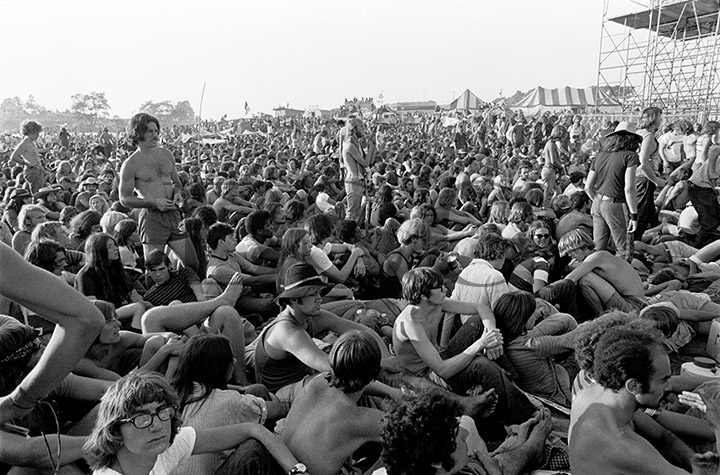
MOSPORT — Four weeks after Beatle John Lennon held a press conference in Toronto to announce plans for a Peace Festival here July 3-5, members of Clarke Township Council say all they know about the event is what they’ve read in the press. And they are not amused.

The councillors said yesterday that since Lennon first described plans for the rock festival Dec. 18 and the sponsors talked of crowds of 250,000, township residents have been phoning to voice objections to the festival with fears that such large crowds would bring chaos.

But Reeve John Stone and the four other members of Council say they haven’t been approached by either the festival’s sponsors or the owners of Mosport track. They are unanimous in the opinion that Council should have some say as to whether the event takes place as planned.

Reeve Stone said the matter hasn’t yet been raised in Council but if the sponsors or track owners don’t approach the township on their own they will be invited to do so.

Horace Best, township bylaw officer, suggested yesterday that Council could prevent the festival being held at Mosport because the track area is zoned exclusively for agricultural, auto-racing and ancillary uses.

“If Mosport track is to be used for a rock festival I don’t think this in any way could be called an accessory to auto racing.’’

Reeve Stone said his primary interest was “in the safety of the people of Clarke Township.” He agreed with his bylaw officer that the festival would be a contravention of the zoning bylaw.

However, he stressed that the Mosport owners “have been quite considerate and reasonable, especially in the last couple of years. We’ve had no trouble with them at all.”

Some of his fellow councillors were less optimistic. Deputy Reeve Earl Walkey said he didn’t want to see any event come into the township which might detract from Clarke’s growing reputation as a year-round sports area.

Councillor Frank Gray said he had received complaints “even before I’d heard about it being planned . . . Some of these rallies get out of control, you know.’’

Meanwhile, Gordon Wright, co-ordinator for the Northum- berland-Durham Emergency Measures Organization, said the organization will be making plans to help police in such matters as crowd control and first aid, provided help is requested by local authorities.

A spokesman for the provincial police said one officer has been designated to draw up plans for traffic and crowd control. He said that for such events the normal rule of thumb calls for provision of one police officer for every 750 to 1,000 people.

“We’ve already begun looking at the possibility of cancelling leaves for that weekend.’’

Special to The Globe and Mail

CHRIST YOU KNOW IT AIN’T EASY
JOHN AND YOKO’S BATTLE FOR PEACE

Printed & Ebook Available here

LONDON (Reuters)- Beatle John Lennon will launch his first art show here next Thursday, showing erotic lithographs of his love life with his wife Yoko Uno.

The show, called Bag One, opens to the public for three weeks in London’s plush Mayfair district. The gallery manager said that it would then go to Paris and New York.

The 14 lithographs were done by Lennon himself. Eleven of them depict erotic scenes with Yoko.

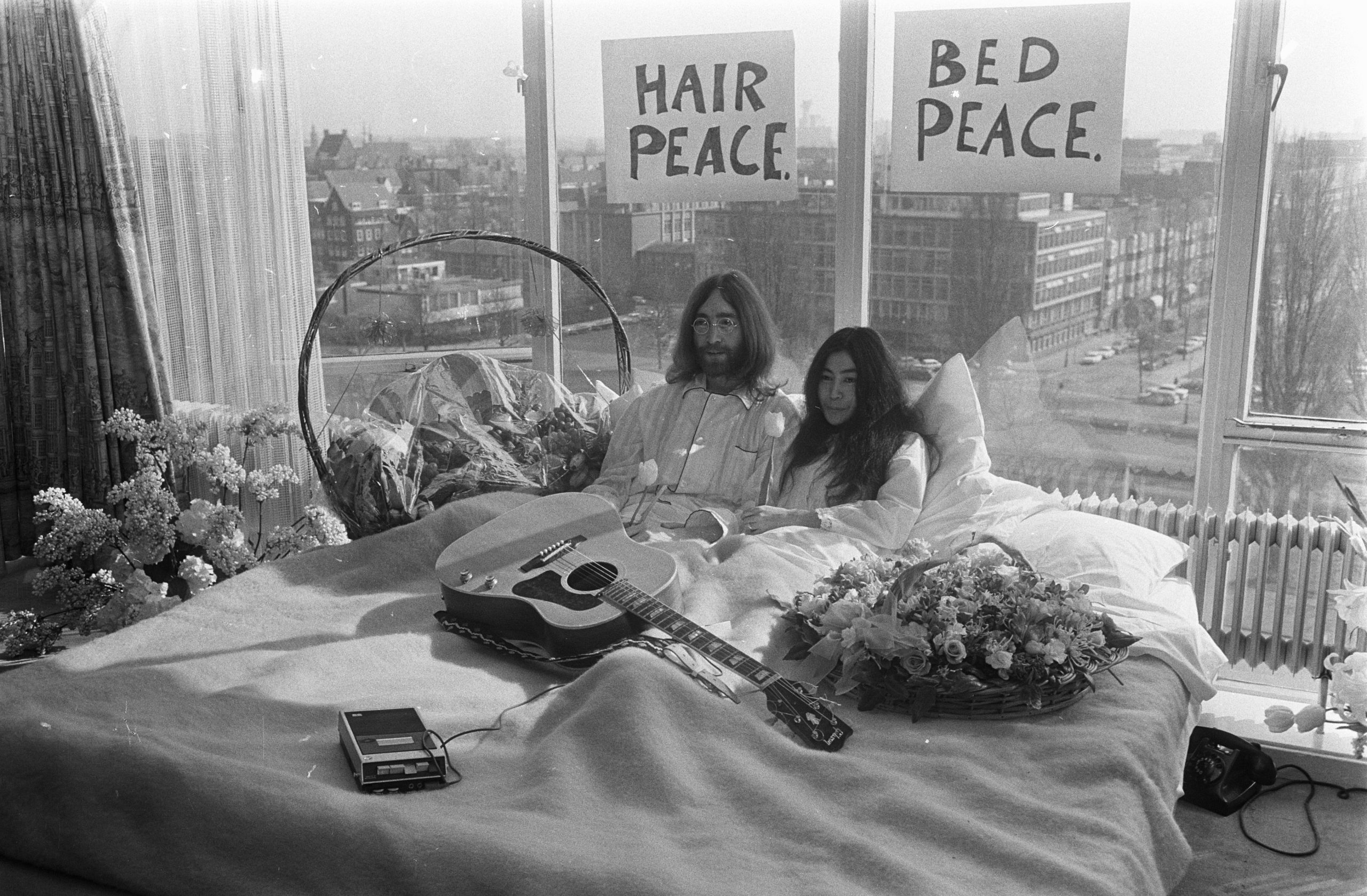
Four lithographs show the couple in bed during their Amsterdam love-in last April, when they turned their honeymoon mattress into a forum for international peace.

CHRIST YOU KNOW IT AIN’T EASY
JOHN AND YOKO’S BATTLE FOR PEACE

Printed & Ebook Available here

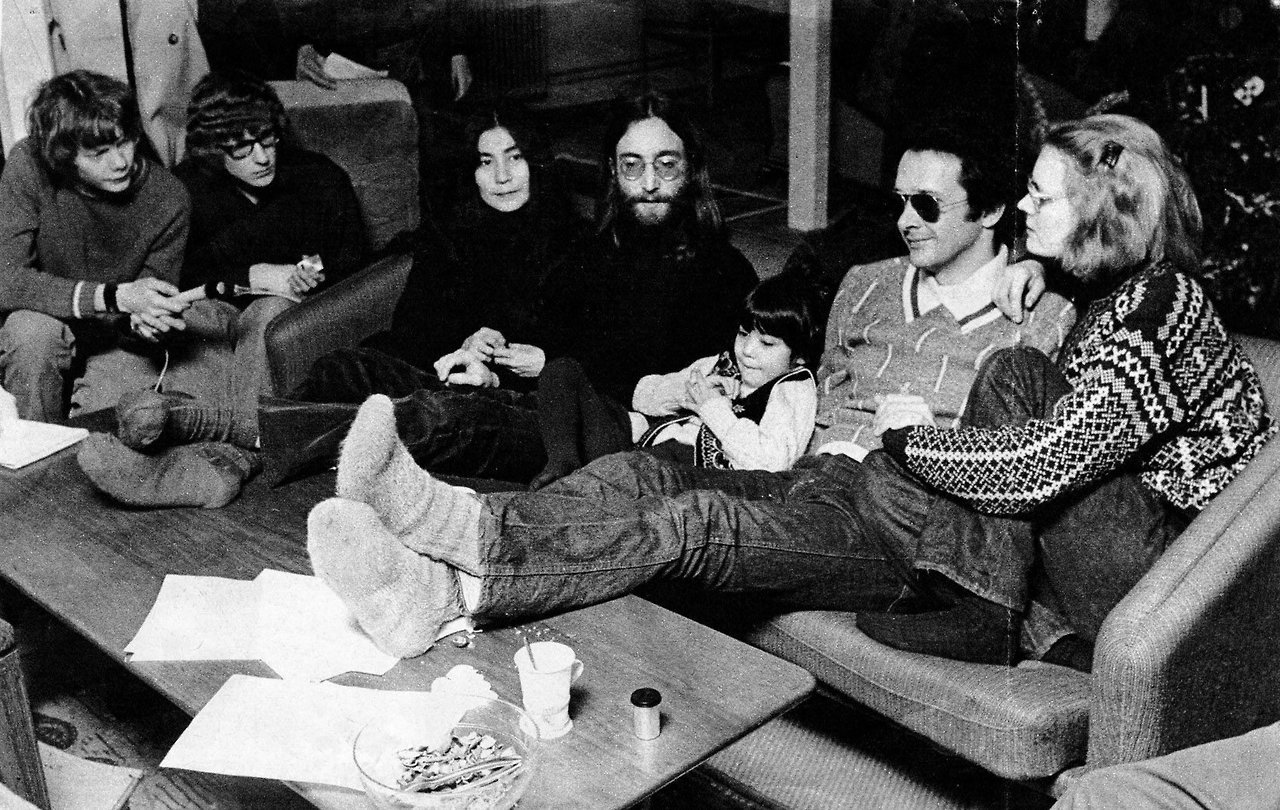
FJERRITSLEV (AP) — Beatle John Lennon, his Japanese wife Yoko Ono, her daughter Kyoko, her former husband Anthony Cox and his wife Belinda shared a sofa Monday in a converted cow barn in this bleak, northern part of Denmark for a news conference with practically no news. Reporters were asked to sing a song about sunshine, darkness and souls before firing their questions.

CHRIST YOU KNOW IT AIN’T EASY
JOHN AND YOKO’S BATTLE FOR PEACE

Printed & Ebook Available here

SKYUM, Denmark — (UP) — Beatle John Lennon said yesterday he will use all proceeds from his records and songs to promote peace in the world.

“I am not a millionaire,” Lennon said at a news conference. “None of us (The Beatles) are. Only those in circles around us. But I have a fair income from records and want to use that money to promote peace.”

Lennon, 30, denied reports that he and his Japanese wife Yoko Ono would settle in Denmark and establish a peace centre.

“We all have a peace centre inside us,” he said.

“There is no use to buy up good land to create one. But I love this place and the people here and want to come back.”

Lennon spoke at the New Experimental College, a centre for philosophy in this remote part of Denmark.

CHRIST YOU KNOW IT AIN’T EASY
JOHN AND YOKO’S BATTLE FOR PEACE

Printed & Ebook Available here