Artifact:0009


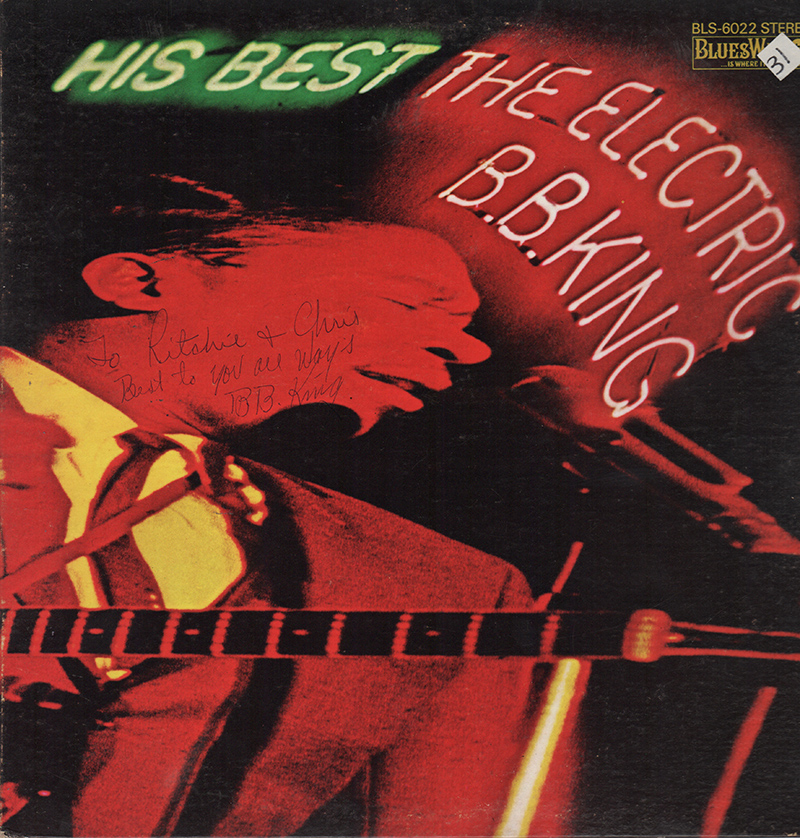
A common job for music writers throughout the rock era was producing liner notes, the pieces of writing printed on the inner sleeve of a vinyl record. Ritchie Yorke was prolific with his writing of liner notes for some of his favourite acts, including Edward Bear, Aretha Franklin, Ronnie Hawkins, and B.B. King. 

This copy of His Best: The Electric B.B. King features Ritchie’s liner notes and was signed and gifted to him in 1968 upon its release, though he would’ve received an advance copy as well in order to write the notes in line with the albums material. This kind of procedure allows writers to hear the music early and get a head start on any reviews/ articles. 

The concept of liner notes was descended from the program notes of musical concerts where information on the show and its performers and creators could be listed. They evolved and began to be printed on vinyl records as early as 1948. The notes on these records could be dedicated to a variety of things including artist and album bios, discographies, dedications and information on producers, collaborators and other credits.

The idea of liner notes survived early medium transitions such as cassettes and cds, through the use of booklets included in the cases, though these changes in medium each bought significant differences for liner notes, such as cd booklets strong use of imagery. Liner notes survive today in digital formats as credits attached to the files and writing on the materials page on streaming services, as well as in the format they originated from, vinyl. The vinyl resurgence of the past 10 years has led to a comeback in liner notes and a stronger focus on the material as a package, with music, artwork and liner notes all being important parts of the final product for collectors.
CHRIST YOU KNOW IT AIN’T EASY
JOHN AND YOKO’S BATTLE FOR PEACE

Printed & Ebook Available here

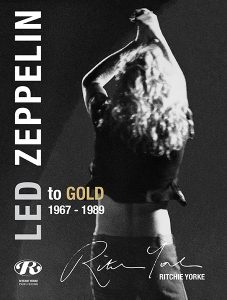
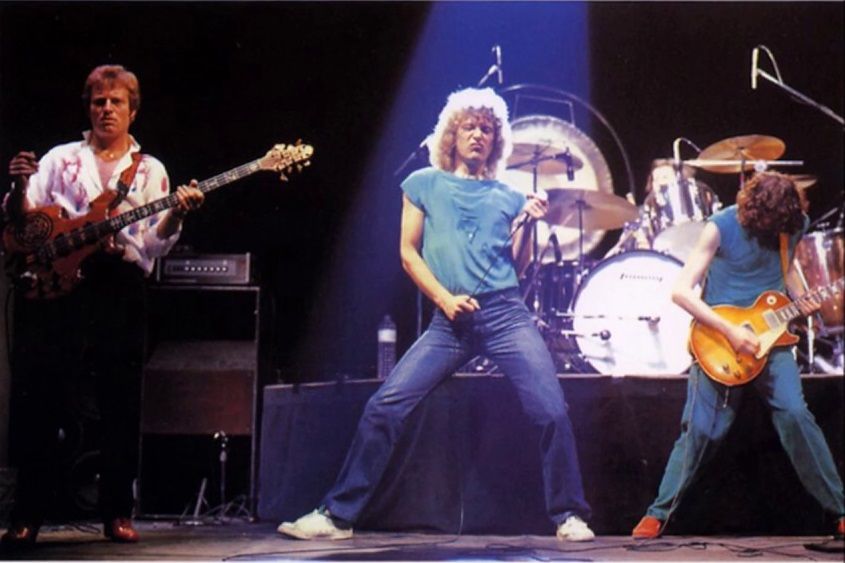
On this day in 1980, Led Zeppelin embarked on what would end up being their final tour

The “Tour Over Europe” would be the bands first series of shows since performing at Knebworth, England almost a year earlier. Singer Robert Plant was reluctant to perform another US tour and the band aimed to avoid some of the negative press attention that had troubled them in the UK, so manager Peter Grant compromised by organising a short European tour.

Throughout the tour, the band played at small venues with modest sound systems and lighting effects, giving it a more low key feel than the bands other recent tours. There were still issues on stage, including a show in Vienna where Jimmy Page was struck in the face with a firecracker and a show in Nuremberg where John Bonham collapsed on stage and was rushed to hospital. Speculation arose that the collapse was due to overindulgence with alcohol and drugs, but the band stated he had simply overeaten.

The tour ended with a show in Berlin on 7th July, which would be the last show performed by the band until 2007. John Paul Jones recalled of the tour “Morale was very high. We were in really good spirits… By the time John [Bonham] died, we had sorted it out and were ready to go again. He died in rehearsals for an American tour.”

All shows from this tour were recorded and later released by the bootleg label Tarantura on a 26 disk box set and has been released unofficially many times since. 

LED ZEPPELIN
LED to GOLD

Printed & Ebook Available here

Artifact:0008


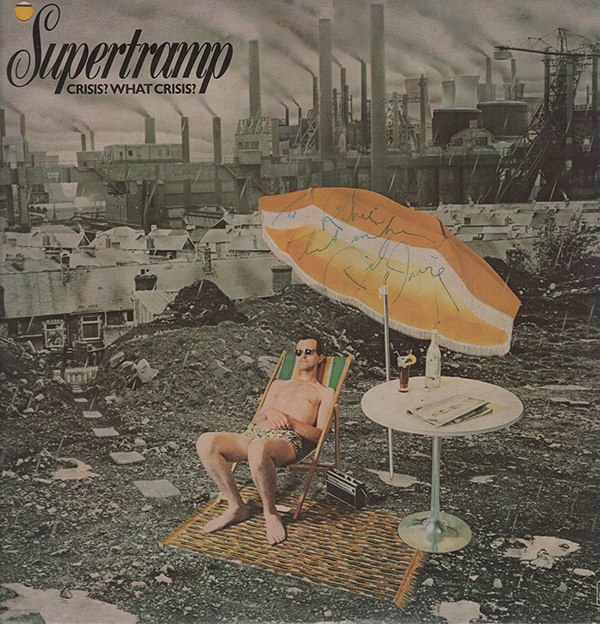
In 1977 one of the biggest rock bands of the era, Supertramp, were busy working on their new album “Even in the Quietest Moments” in Los Angeles. This was the follow-up to Supertramp’s popular fourth work, “Crisis? What Crisis?”. It was this album that Ritchie Yorke was sent a personal signed copy of the record as a gift. Though this material sold well and received some critical praise, Rolling Stone magazine at the time panned the record, adding to the pressure for their follow-up.

Ritchie Yorke, a big fan of the band, was at the time writing for Cheap Thrills magazine when he decided to meet with the band to discuss their new record. The meeting was held at the world-famous Record Plant Studios, where megastars like Stevie Wonder and The Eagles had recorded.

This meeting was significant as the band were renowned for secrecy during their recording sessions and this occasion marked the first time they allowed a media member to be present in the studio as they worked and to hear some of the new material as well as to conduct an interview with the band.

During the interview the band shed light on the new tracks and the concepts and ideas that inspired them. Plans for the new tour and the future of the band were also discussed, the highlight of which being the bands plans to have a Donald Duck statue on stage that blew bubbles as they performed. This article and interview is still available to read here.

CHRIST YOU KNOW IT AIN’T EASY
JOHN AND YOKO’S BATTLE FOR PEACE

Printed & Ebook Available here

Artifact:0007

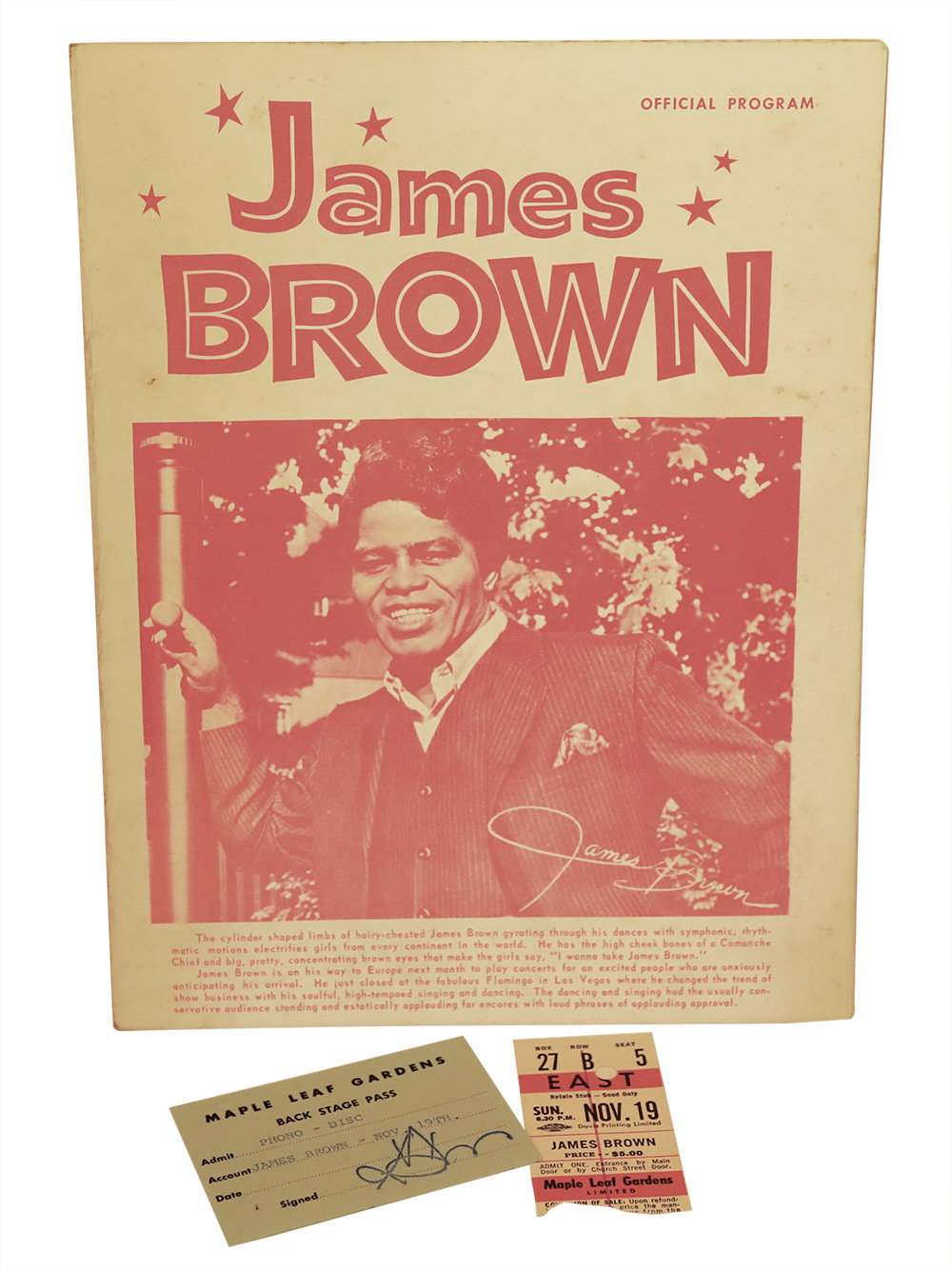
This flier was circulated in 1970 at a James Brown show Ritchie Yorke attended at the Maple Leaf Gardens in Toronto. These programs were used as a method of promotion and as a piece of collectible memorabilia to go alongside the concert.  

The program itself features a number of photographs of Brown, as well as some short bios and interviews. The bio details Brown’s life and how he got his start as a recording artist, as well as stories behind some of his most popular songs. 

Before the mainstream merchandising opportunities that exist today, options were significantly more limited and more expensive. Many attendees of these concerts resorted to collecting these programs or items like ticket stubs as a widely available and affordable piece of memorabilia.

The concept of these promotional magazines is descended from theatre or stage shows like musicals where it is used to promote the show and give information like track listing or length. However, it seems that the medium has largely moved back into this realm and away from the promotion of individual artists or bands. 

The evolution of technology has likely played a part in this step back as concerts are now more easily promoted via social media and fans of the artists are much more likely to already know the history through their own research on the Internet. Additionally, most bands and artists now have easier and more affordable access to merchandising options like t-shirts and tote bags that consumers prefer as a way to display their tastes. Overall, while some high status artists still use programs, for the most part their use had been relegated back to the stage performances they originated from.

CHRIST YOU KNOW IT AIN’T EASY
JOHN AND YOKO’S BATTLE FOR PEACE

Printed & Ebook Available here

On this day in 1966, Janis Joplin debuted with the band that would launch her career to stardom

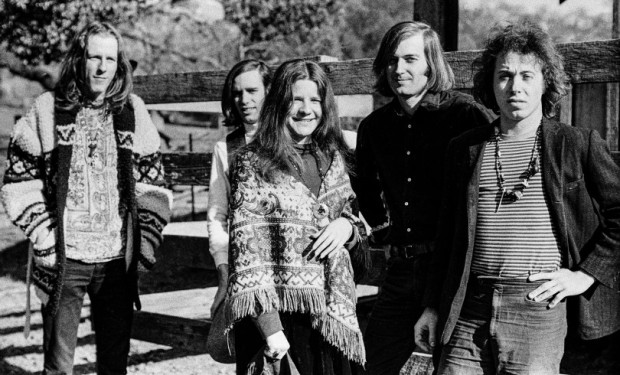
Joplin’s career really began in 1964 when she recorded a number of blues standards with future Jefferson Airplane guitarist Jorma Kaukonen. Her vocal style attracted the attention of San Francisco psychedelic outfit Big Brother and the Holding Company and their manager and promoter, Chet Helms was quick to recruit Joplin to the group, with her officially joining on June 4, 1966.

The following week, Joplin and the band appeared for their debut at San Francisco’s Avalon Ballroom. The line-up at the time consisted of guitarists James Gurley and Sam Andrew, bassist Peter Albin and drummer Dave Getz alongside Joplin. Albin later said that the meeting wasn’t the Hollywood moment many imagined and that it took Joplin around a year to really learn how to perform with an electric band.

Within a few months, the group entered the studio to record their debut, self-titled album which would be released the following year. They soon attracted a bigger deal after Columbia Records head Clive Davis heard them play at the Monterey Pop Festival in 1967. The band then released a second album, Cheap Thrills, before Joplin left the band in 1968 to pursue her tragically short lived solo career before her accidental death in 1970.

CHRIST YOU KNOW IT AIN’T EASY
JOHN AND YOKO’S BATTLE FOR PEACE

Printed & Ebook Available here

Artifact:0006

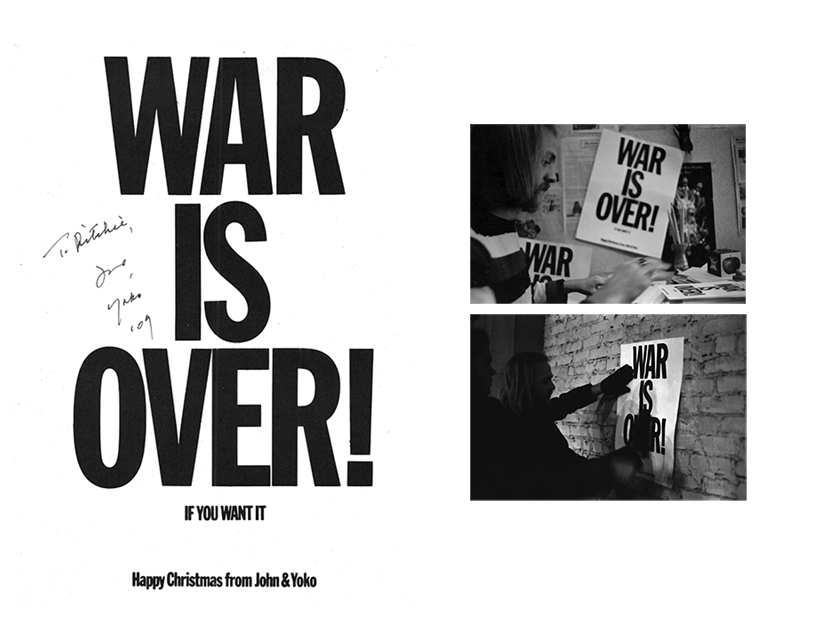
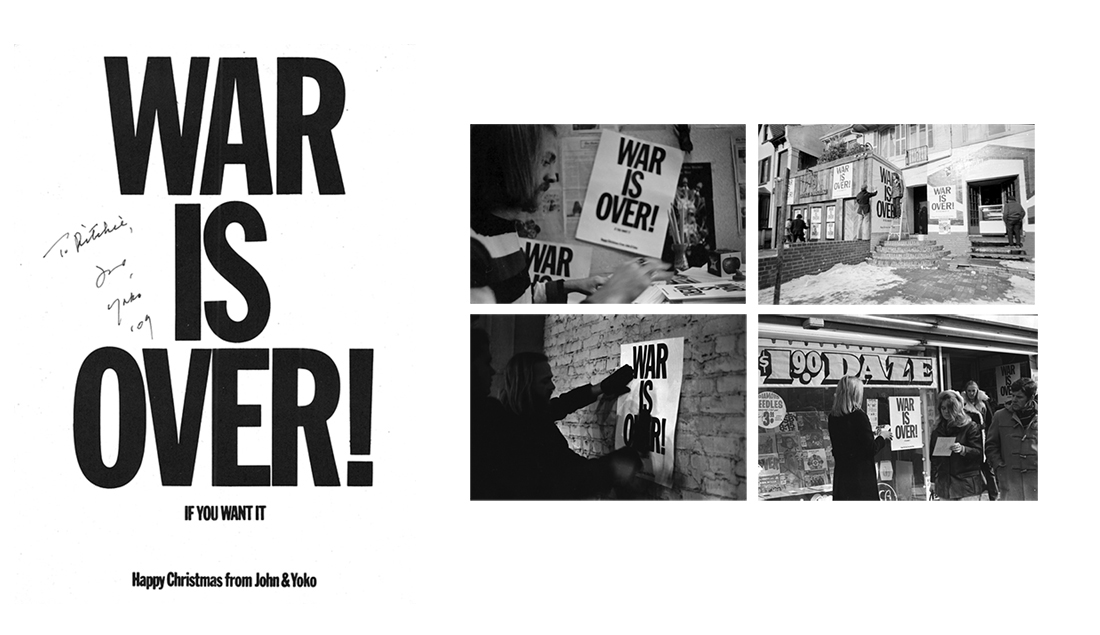
On December 15, 1969, John Lennon and Yoko Ono began the next stage of their campaign for peace. Huge posters and billboards bearing the slogan “War is Over! If You Want It.” appeared in 12 major cities around the world. Thousands of handbills and posters were printed to be posted around the cities and handed out to pedestrians. The ad also appeared in numerous publications around the globe. This handbill was made during this period, signed by Yoko Ono and kept by Ritchie Yorke as a part of his collection.

Ritchie Yorke was involved in this peace campaign as an ambassador, helping Lennon and Ono plan and organise some of the major moments such as the meeting with Canadian PM Pierre Trudeau. His position as ambassador led to him travelling the world alongside Ronnie Hawkins in 1970 to display the posters in various places, including the dangerous trip to the Chinese border.

This campaign set a precedent around the world and showed numerous artists that they could use their success and celebrity for positive causes and to affect a real change. It’s strong branding and use of repetition ensured that the message was cemented in the minds of it’s audience. Though the posters were at the time unsuccessful in ending the Vietnam War raging at the time, they can be considered a significant part of changing the public opinion on the conflict. 

CHRIST YOU KNOW IT AIN’T EASY
JOHN AND YOKO’S BATTLE FOR PEACE

Printed & Ebook Available here

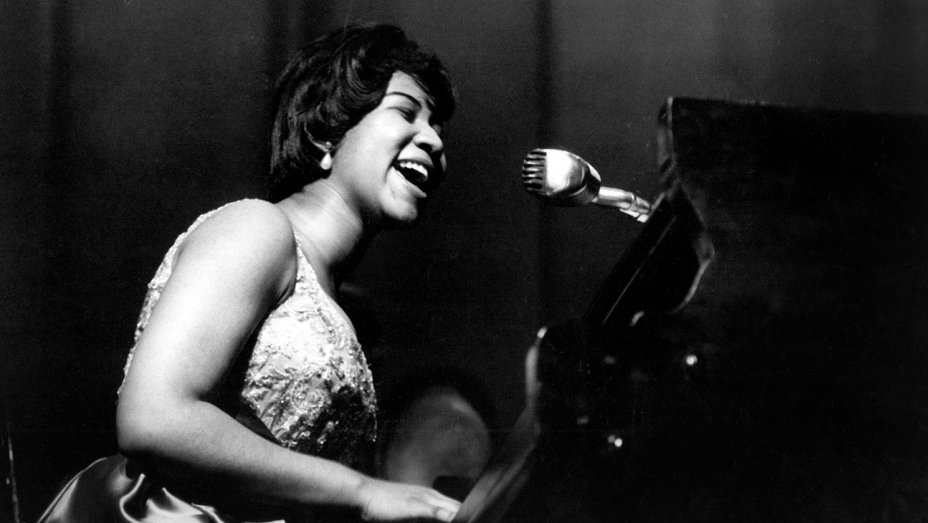
On this day in 1967, Aretha Franklin scored her first solo number one song with her cover of “Respect”

Originally recorded by Otis Redding in 1965, Franklin recorded the song during a New York session with Jerry Wexler, though she had already been playing the song live for several years.

Franklin’s version of the song flips the lyrics to be from a female perspective and introduces ideas like the spelling out of respect and the “sock it to me” refrain, which became a household expression. These changes allowed “Respect” to be viewed more as a song about civil and womens rights. The altered lyrics represent Franklin as a strong woman demanding respect from her partner and from others in the world. She said of the song that “I don’t think it’s bold at all. I think it’s quite natural that we all want respect – and should get it.”

The song was immediately popular, reaching number one on the Billboard charts where it remained for two weeks. It is now considered a classic song, being inducted into The Rock and Roll Hall of Fame’s 500 Songs that shaped Rock and Roll list, as well as number 5 on Rolling Stone’s “500 Greatest Songs of All Time.”

CHRIST YOU KNOW IT AIN’T EASY
JOHN AND YOKO’S BATTLE FOR PEACE

Printed & Ebook Available here

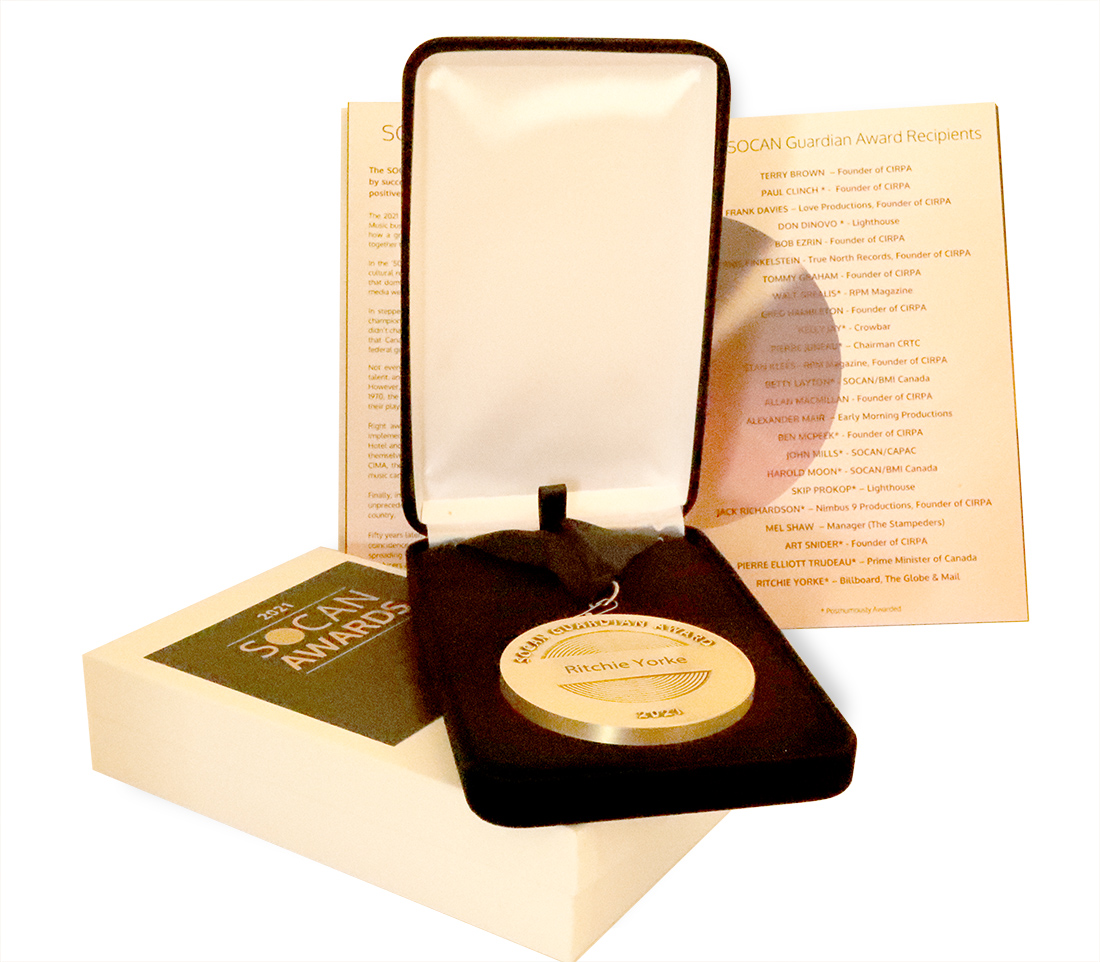
“The 2021 SOCAN Guardian Award is presented to the guardians of the Canadian music business whose work resulted in Canadian Content Regulations. It is the story of how a group of concerned music business professionals found a way to band together to save Canadian culture.”

socan.com

facebook.com/SOCANmusic

instagram.com/socanmusic/

twitter.com/SOCANmusic

youtube.com/socanmusic

CHRIST YOU KNOW IT AIN’T EASY
JOHN AND YOKO’S BATTLE FOR PEACE

Printed & Ebook Available here

“The 2021 SOCAN Guardian Award is presented to the guardians of the Canadian music business whose work resulted in Canadian Content Regulations. It is the story of how a group of concerned music business professionals found a way to band together to save Canadian culture.”

socan.com

facebook.com/SOCANmusic

instagram.com/socanmusic/

twitter.com/SOCANmusic

youtube.com/socanmusic

CHRIST YOU KNOW IT AIN’T EASY
JOHN AND YOKO’S BATTLE FOR PEACE

Printed & Ebook Available here

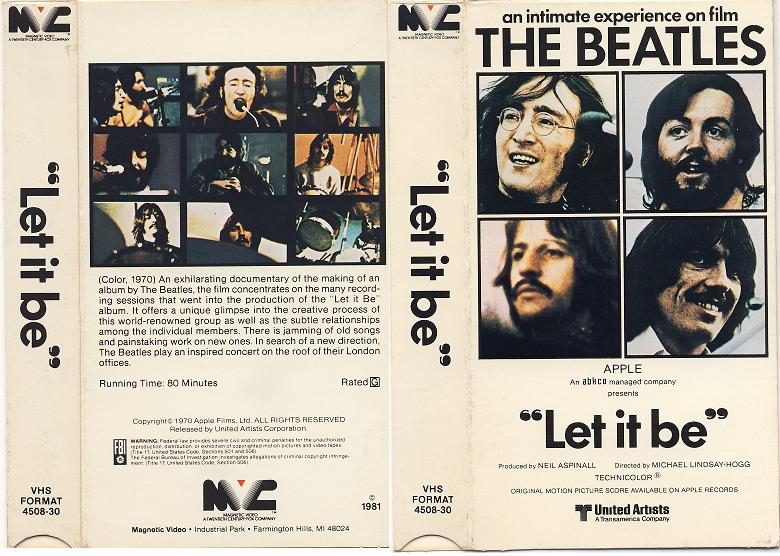
On this day in 1970 The Beatles released their “Let It Be” film in the UK

Following the stressful sessions for The Beatles, also known as the White Album, Paul McCartney determined that the group needed to return to their roots for their next material. He came up with a plan to give a live performance of new songs to be broadcast as a television special and recorded to be released as an album. The other members approved of the idea and filming began. Head of Apple’s film division Denis O’Dell came up with the idea of recording the rehearsal sessions for use as a seperate TV documentary and eventually the projects merged to become Let It Be.

The film follows the band as they first rehearse at a sound stage at Twickenham Film Studios, before showing the recording and production new songs and finally ending with their famous performance on the Apple studios roof. The film included a tense conversation between McCartney and George Harrison and though it is not included in the film the disagreement caused Harrison to temporarily leave the band.

Many critics were initially unsatisfied with the film, but due to the bands recent breakup, the film was commonly examined as evidence of the fracturing relationships within the group. Lennon later commented on the film claiming, “the camera work was set up to show Paul and not to show anybody else” and said that it had alienated him and the other members.” Regardless, Let It Be performed well with the public and is now remembered as a significant moment in Beatles history. The film has been unavailable on home video since the 1980’s, though bootlegs circulate online, and now a plan to remaster and rerelease the film next year is in the works. 

CHRIST YOU KNOW IT AIN’T EASY
JOHN AND YOKO’S BATTLE FOR PEACE

Printed & Ebook Available here